























Iron lung movie: Markiplier debut sparks mixed reviews and popcorn bucket buzz

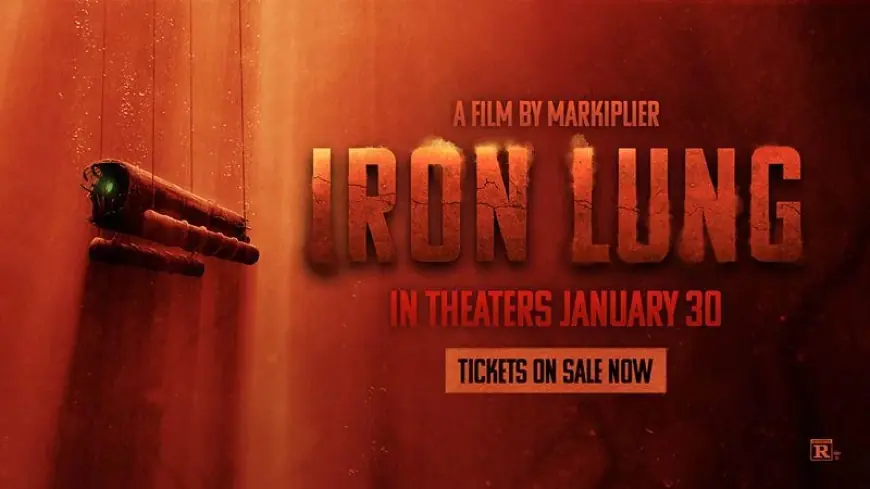
The first weekend of iron lung in theaters turned into an unexpected test case for creator-led filmmaking: strong early ticket sales, a fast-widening rollout, and a loud online debate over whether the adaptation captures the game’s minimalist dread or stretches it too far. At the same time, a limited-edition iron lung popcorn bucket has become a side story of its own, adding collectible heat to an already fan-driven release.
For Markiplier, the moment is bigger than a single opening weekend. It’s a visible proof point that a digital-first audience can move real-world box office—especially when the release plan leans into local demand and word-of-mouth.
Iron lung box office breaks out
By Sunday afternoon ET, weekend estimates clustered around the high teens in millions of dollars, an outsized start for a self-financed genre film built around a single, claustrophobic setting. That early momentum matters because the movie’s economics are unusually straightforward: a relatively lean production budget and an audience primed to show up quickly.
Just as notable as the gross is the footprint. What began as a smaller, more limited concept expanded into a much wider screening count across North America and beyond, reflecting how quickly theaters responded to concentrated demand. If the film holds through weekdays—always the harder test for horror—its second-weekend drop will be a key signal for how far this run can go without relying on opening-week urgency.
How Markiplier built a theatrical rollout
The story behind the release has become nearly as interesting as the film itself. “Markiplier iron lung movie” isn’t just a branding shorthand; it describes a hands-on approach that blended traditional theatrical play with fan mobilization. The campaign pushed people to request showings, check listings frequently, and treat the release as an event.
That strategy can work especially well for a title with a clear identity: a sci-fi horror premise, a recognizable creator, and a compact hook that sells in a single sentence. It also lowers the barrier for theaters: if a local audience is already promising turnout, adding screens becomes a pragmatic decision rather than a gamble on awareness.
The question now is durability. A demand surge can fill the first few days; sustaining a run depends on whether casual horror fans—people without any prior connection to the game or creator—leave satisfied enough to recommend it.
Why the reviews are split
The wave of iron lung reviews has been sharply divided, and the split is easy to understand once you look at what the film is trying to do. The source material thrives on restraint: isolation, limited visibility, and a steady build of dread inside a metal tube. The movie keeps the basic architecture—one character, one sub, one hostile environment—but expands the world with added plot, lore, and set-piece escalation.
Some reactions have praised the atmosphere, production ingenuity, and commitment to the premise, especially when the film lets silence and mechanical routine do the work. Other iron lung movie review takes have focused on pacing and clarity, arguing that the added narrative weight undercuts the simplicity that made the original so unnerving. In practical terms, many viewers seem to agree on one thing even when they disagree on the verdict: the movie is a slow burn, and that’s either the point—or the problem.
Merch chatter and popcorn buckets
The collectible angle has landed in a very 2026 way: the iron lung popcorn bucket is being marketed as a premium, limited-edition item tied to the theatrical window. Listings describe a large 160-ounce capacity container, sold as an online exclusive, with a price around $43.95 before shipping and taxes, depending on location and availability. The size and novelty factor have made it a conversation piece even among people who haven’t seen the film yet.
This kind of merch moment can be fleeting, but it’s useful as a gauge of cultural footprint. When a tie-in item becomes a talking point, it’s usually because the release has crossed from niche interest into broader curiosity—exactly the kind of secondary awareness a smaller film needs to stay visible after opening weekend.
What comes next for the film
The near-term calendar is simple: weekday holds, second-weekend drop, and whether theaters keep prime showtimes as new releases arrive. If audience interest stays elevated, more late additions and extended runs are plausible, particularly in markets where showtimes were initially limited.
Longer-term questions—premium on-demand timing, international expansion beyond early territories, and any follow-on projects—remain unclear at this time. For now, the film’s immediate performance has already reshaped the conversation around what a creator-led theatrical play can look like, and whether this model can translate beyond a single, highly motivated fan base.
Sources consulted: Deadline; Entertainment Weekly; Rotten Tomatoes; The Numbers