
























Southwest’s New Assigned Seating Sparks Passenger Controversy During Turbulent Debut

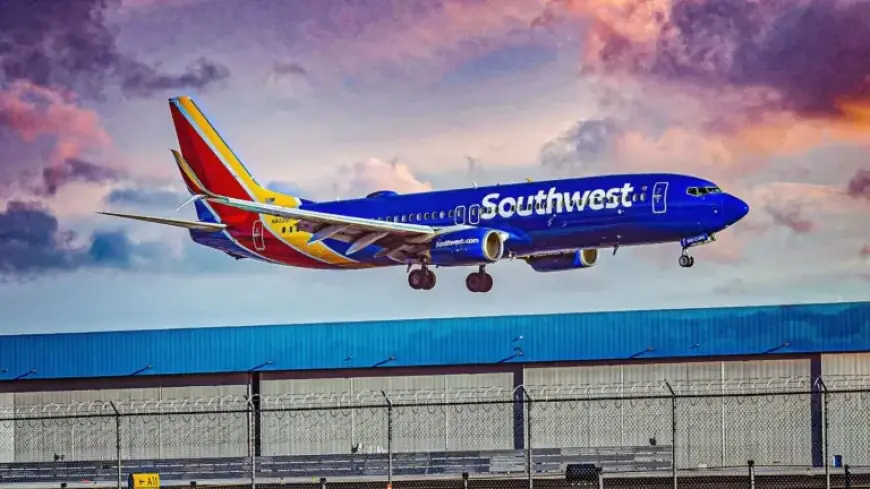
Southwest Airlines has introduced a new assigned seating system, which officially began on January 27. This significant change replaces the airline’s long-standing open seating policy. While some passengers welcome the option to select their seats in advance, feedback regarding the implementation has been varied.
Passenger Reactions to Assigned Seating
Initial responses to Southwest’s assigned seating reveal a range of experiences. Many travelers have expressed frustration with issues in the boarding process. Complaints have ranged from competitive behavior at the gate to unexpected seat reassignments. Frequent reports also mention passengers switching seats once onboard, adding to the confusion.
- Instances of last-minute seat changes have caused distress among families, with some being separated during check-in.
- Passengers voiced concerns over the congestion at the boarding area and the competition for limited overhead bin space.
- Despite these issues, some passengers noted a more organized boarding experience overall.
Challenges with the New System
The transition to assigned seating has not been without its difficulties. Several passengers have faced unexpected seat reassignments close to their flight times. For instance, one traveler shared a negative experience on a social media platform, indicating that seat changes separated their children from the family.
Additionally, reports have surfaced about passengers who paid extra for specific seats only to see those seats reassigned unexpectedly. Concerns persist over securing adequate storage space for carry-on luggage, particularly among those boarding later.
Room for Improvement
As Southwest refines its new seating policy, opportunities for enhancement remain. Some of the problems reported by travelers can be attributed to system errors. Over time, as both the airline and its passengers acclimate to the new system, it is expected that complaints may decrease.
Interestingly, although one key goal of assigned seating was to minimize competition for desirable seats, reports indicate that boarding area congestion still exists. This suggests that behavioral change among passengers may take longer to achieve.
Impact on Southwest’s Brand Identity
Critics argue that the shift to assigned seating may dilute Southwest’s unique brand identity. The airline has historically attracted loyal customers with its open seating policy and free checked baggage. Recent changes, including the removal of the complimentary baggage policy, have raised concerns among frequent flyers.
- Southwest’s new system involves eight boarding groups based on fare type or Rapid Rewards status.
- New fare bundles—Basic, Choice, Choice Preferred, and Choice Extra—determine boarding priority and seat selection.
While Southwest’s stock price has seen a positive effect from the introduction of assigned seating, the long-term implications for customer satisfaction remain uncertain. The airline faces a delicate balance between evolving its policies and retaining its loyal customer base. As the airline navigates these changes, it will be crucial to address passenger feedback and refine the boarding experience.