
























Water Polo Legacy: Mothers Play Debut in 1995, Now Daughters Shine

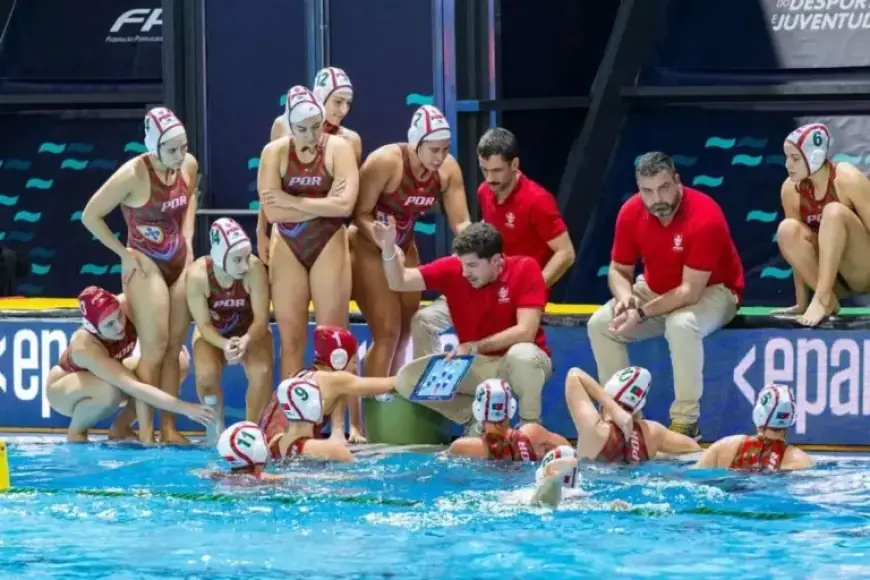
The legacy of water polo in Portugal spans generations, starting with trailblazing players in the 1990s. In 1995, Isabel Magano, Helena Barros, and Cristina Nogueira were part of Portugal’s inaugural women’s water polo team that competed in the European Championship. This historic event paved the way for the next generation, as their daughters now carry on the family legacy in the sport.
From Pioneers to Future Stars
As the 21st edition of the tournament unfolds in Funchal, the daughters of these pioneering athletes take the spotlight. Cristina Nogueira expressed immense pride in witnessing her daughter, also a goalkeeper, participate in this esteemed event. After stepping away from the sport nearly 25 years ago, she finds herself reliving cherished memories from her playing days.
“Watching her play is much harder than being in the water myself,” Nogueira remarked. Her daughter, currently competing for Benfica, has been balancing her training around other commitments, a testament to her determination.
Achievements and Challenges
Maria Sampaio, Nogueira’s daughter, has yet to see her mother play live but takes inspiration from old photographs of the game. She expressed, “It’s a tremendous honor to represent Portugal 30 years later, just as my mother did.” Portugal’s women’s team has shown remarkable progress, achieving two victories so far against Romania (12-7) and Switzerland (17-10), the latter marking the largest winning margin in their European Championship history.
- Victories:
- Portugal vs. Romania: 12-7
- Portugal vs. Switzerland: 17-10
- Significance of the Wins:
- Largest win in Portugal’s European Championship history.
A Collective Sense of Pride
Isabel Magano shares in the pride of her fellow pioneers. Though she left the sport for several years, she remained connected until just before the COVID-19 pandemic. “Watching from the stands induces more anxiety than playing,” she joked. Her daughter, Carolina Magano Fernandes, has made a name for herself in the U.S. collegiate system and is seen as a promising talent for Portugal’s future.
Likewise, Helena Barros’s daughter, Beatriz Carmo, represents the new wave of players. Barros highlighted the significance of hosting this tournament in Portugal after a decade-long absence. “Every game is a new experience, and Beatriz is rising to the occasion,” she stated. Playing at AESE and balancing a job in Spain, Carmo’s journey is inspiring for both her mother and her teammates.
The Evolution of Women’s Water Polo
Reflecting on the evolution of the sport, Nogueira noted the increased competition and training standards compared to her own beginnings in water polo. Women’s water polo became an Olympic sport in the 2000 Sydney Games, showcasing the sport’s growth. The original players transitioned from swimming to water polo at around age 18, while many current athletes begin their training much earlier, often at age 10.
Barros emphasized that the increase in training quality and tactical knowledge has transformed the sport significantly. The pioneering players of the 1990s laid a solid foundation, ensuring that today’s athletes can thrive and excel on the international stage. As the legacy continues, the future of women’s water polo in Portugal appears bright, with the next generation eager to build upon the successes of their predecessors.