

























MV Mwanza Enhances Economic Growth in East Africa

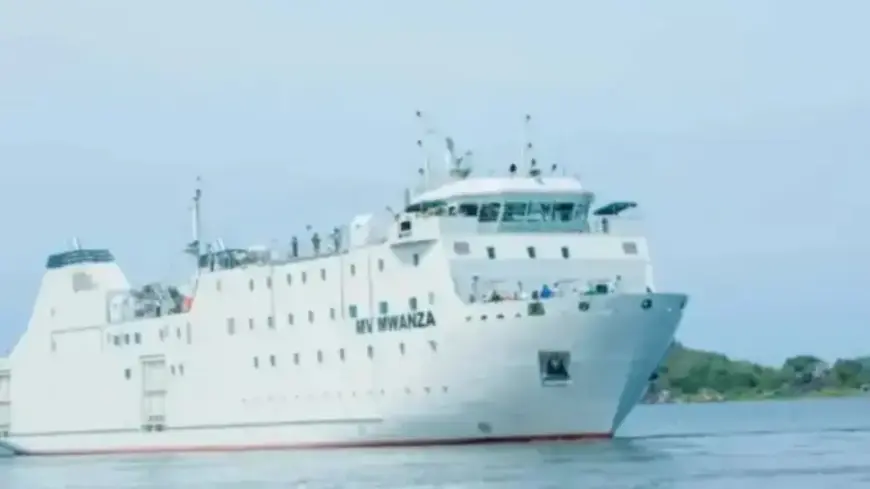
The launch of the MV New Mwanza ferry marks a significant development in enhancing economic growth in East Africa, particularly within Tanzania’s Lake Zone. This modern vessel aims to improve trade and transportation in the region, promoting interconnectivity among neighboring nations.
Operational Routes and Capacity
The MV New Mwanza will initially connect the ports of Mwanza, Kemondo, and Bukoba. Future plans include expanding its routes to Port Bell in Uganda and Kisumu in Kenya. Here are the key specifications of the ferry:
- Passenger capacity: 1,200
- Vehicle capacity: 20
- Cargo capacity: 400 tonnes
- Speed: 16 knots (30 km/h)
Economic Impact
This new ferry is designed to effectively link both domestic and regional markets. It is anticipated to lower transportation costs, attract investments, and bolster the economic development of communities around Lake Victoria. Mwanza Regional Commissioner Said Mtanda stated that approximately 3.6 million people would benefit from this initiative.
Mwanza contributes nearly 7.2% of Tanzania’s national economy, ranking as the second highest contributor. Improved lake transport is expected to allow residents to engage more actively in economic ventures.
Unique Features of MV New Mwanza
The MV New Mwanza has been developed to meet international safety and efficiency standards. Its cargo capacity represents a significant advantage over older vessels operating on Lake Victoria. Furthermore, it serves as a reliable alternative to road transport, which often faces delays and high costs.
Supporting Trade and Economic Growth
Eric Hamissi, the CEO of Tanzania Shipping Services Company (Tashico), noted ongoing efforts with the Tanzania Tourism Board to promote the ferry as an attractive option for inland water tourism. This move aligns with President Samia Suluhu Hassan’s strategy to enhance the tourism sector.
Economic analysts, such as Ally Mkino, project that the ferry will greatly benefit the economies of the Lake Zone by simplifying trade and transport. The enhanced cargo capacity is poised to positively impact the agricultural and fishing sectors. Local traders are optimistic about this new transport solution, with banana trader Mabula Kija stating that transport costs could reduce from Sh30,000 to Sh25,000 per tonne due to the ferry’s efficiencies.
Job Creation and Community Training
The MV New Mwanza project has also fostered local economic growth by creating approximately 500 jobs during its construction phase. Additionally, training has been provided to marine engineers and technicians, enhancing local expertise in maritime operations.
Regional Cooperation and Future Prospects
Officials from Uganda and other regional entities have praised the ferry’s introduction, viewing it as a means to bolster travel between Kampala and Mwanza. This development is expected to enhance tourism and promote regional cooperation.
Overall, the MV New Mwanza ferry is more than just a transportation vessel; it serves as a crucial driver for economic growth and regional integration in East Africa, particularly through its roles in trade, transport, and tourism.