
























Why Is Silver 17% Cheaper in India Than China?

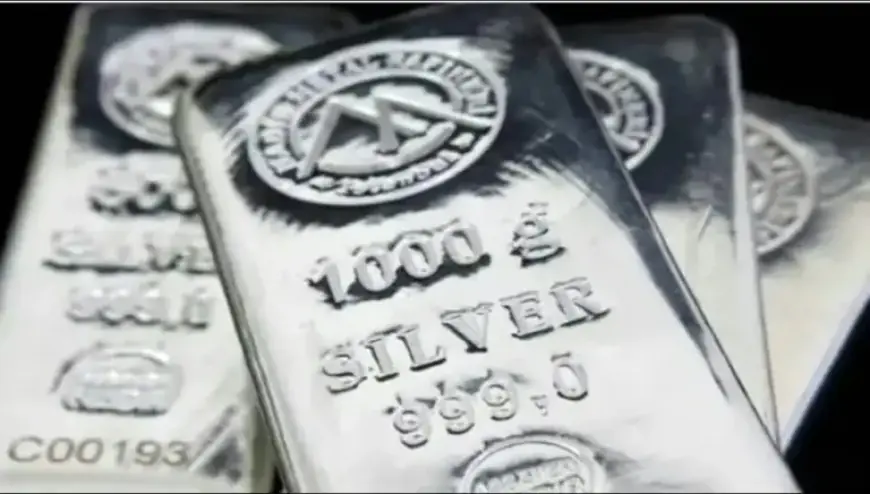
In early 2026, a significant disparity in silver prices between India and China has emerged, with Indian silver priced approximately 17% lower. Currently, silver in India trades at around ₹335 per gram, while the Chinese market price translates to about ₹11,450 per ounce. This divergence poses important questions about market dynamics and implications for consumers and investors.
Understanding the Price Difference: Key Factors
To comprehend the 17% price gap, we must examine how silver pricing differs in the two countries. In India, the cost for one ounce (≈ 28.3 grams) of silver is roughly ₹9,984. In contrast, silver in China, priced at around $125 per ounce, results in a notable difference of ₹1,969 per ounce.
China’s Policy-Driven Premium
- The higher price of silver in China is primarily due to recent government-imposed export controls.
- Since 2026, licenses have been required for all silver exports, reducing the supply available to international markets.
- This policy aims to prioritize domestic industrial use, particularly in high-tech sectors such as solar energy and electronics.
These restrictions create increased domestic demand in China, subsequently raising local prices above global benchmarks.
Trade Agreements and Lower Import Duties in India
India benefits from trade deals, notably the Comprehensive Economic Partnership Agreement (CEPA) with the UAE. This arrangement allows for reduced import duties on silver, often around 6-8% compared to the standard 15% tariff.
- This leads to lower landed costs for imported silver, keeping domestic prices more affordable.
- Consequently, a higher influx of silver through these preferential routes can create a supply surplus, contributing to the lower price in India.
Differences in Demand Composition
The consumption patterns of silver significantly differ between the two countries. In China, industrial demand is substantial, driven by manufacturing for solar panels, electronics, and batteries. This industrial focus exerts upward pressure on silver prices.
India, however, sees a larger share of silver demand stemming from investment and traditional uses, like jewelry and ceremonial needs. Although industrial demand is growing, it has yet to reach the levels observed in China.
Global Supply Constraints and Arbitrage Opportunities
The global silver market has faced supply shortages in recent years. With about 70% of silver produced as a by-product of other metals, scalability is restricted. China’s tightened export policy exacerbates this issue, resulting in price discrepancies.
In India, where silver flows more freely due to agreements like CEPA, prices remain closer to international benchmarks. This difference creates arbitrage opportunities for traders, although these can be mitigated by tariffs and regulatory barriers.
Currency Effects on Silver Prices
Local silver prices are also influenced by currency fluctuations. Silver is priced in US dollars, so changes in the rupee-dollar exchange rate can impact Indian prices directly. A weaker rupee typically raises import costs, but trade agreements can help moderate this effect.
China’s prices are additionally influenced by local policy, affecting how exchange rate fluctuations are absorbed in the market.
Conclusion: Implications for Consumers and Investors
The 17% price difference between silver in India and China is influenced by numerous factors including government policies, import duties, and market demands. India’s advantageous trade agreements keep its prices closer to global standards, while China’s export controls elevate local prices.
For consumers and investors, understanding these dynamics is crucial. Timing market entries, choosing purchase channels, and following policy changes, particularly in China, can significantly impact decision-making. As silver’s role in the global market continues to evolve, stakeholders must remain informed about these complexities to navigate the landscape effectively.