

























Tom Homan Aims to Ease ICE Tensions in Minnesota

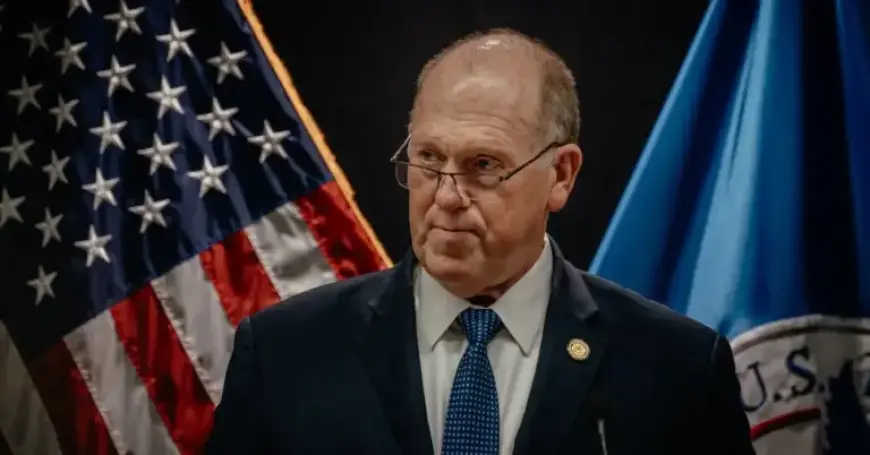
Tom Homan, the former acting director of Immigration and Customs Enforcement (ICE), is set to ease tensions surrounding immigration enforcement in Minnesota. Appointed by former President Trump, Homan aims to foster cooperation between ICE and local law enforcement while addressing public safety concerns.
Background on Tom Homan
With a law enforcement background that began in upstate New York, Homan rose through the ranks of immigration enforcement. His tenure included leadership roles culminating in his appointment as acting ICE director. After leaving ICE, he became a prominent conservative commentator and consultant.
Political Landscape
The political environment in Minnesota is complex, especially after the state introduced “sanctuary policies.” These laws restrict local law enforcement from collaborating with ICE. Homan arrives in Minnesota following controversial practices under previous commanders, whose strategies sparked backlash for impacting noncriminal individuals.
Key Objectives for Homan
Homan’s immediate goals include:
- Fostering local law enforcement cooperation with ICE.
- Enhancing security measures targeted at public safety threats.
- Streamlining operations to ensure efficient immigration enforcement.
Community Relations
Establishing trust with Minnesota’s leadership—a largely Democratic body—will be challenging. Homan must address the perception of ICE as an occupying force while also pushing for effective immigration enforcement. Critics point to past ICE actions that disproportionately affected noncriminal immigrants.
Public Safety Focus
Homan advocates prioritizing the arrest of criminal individuals over nonviolent offenders. He recalls a time in ICE history when resources were misallocated toward minor violations, detracting from efforts to capture serious threats. His experience suggests a balanced approach can enhance community security.
Future Strategies
The restructuring of ICE operations is already in motion, emphasizing collaboration over independent actions. Some counties, such as Hennepin, maintain their policies against ICE involvement, complicating Homan’s mission. Yet, he views enhanced jail cooperation as essential for achieving the administration’s deportation goals while safeguarding public safety.
Challenges Ahead
Homan’s objective involves navigating political hurdles, previous controversies, and community skepticism. His history at ICE, especially during politically charged actions like family separation, complicates his mission. The path to effectively de-escalating tensions will require transparency and cooperation with local leaders.
Conclusion
As Homan takes on his role, the outcome of his strategies in Minnesota will significantly influence the relationship between ICE and local communities. His ability to balance enforcement priorities with community trust will define his legacy within the immigration debate.