





















Hong Kong Newsrooms Struggle Amid Fear After Jimmy Lai’s Conviction

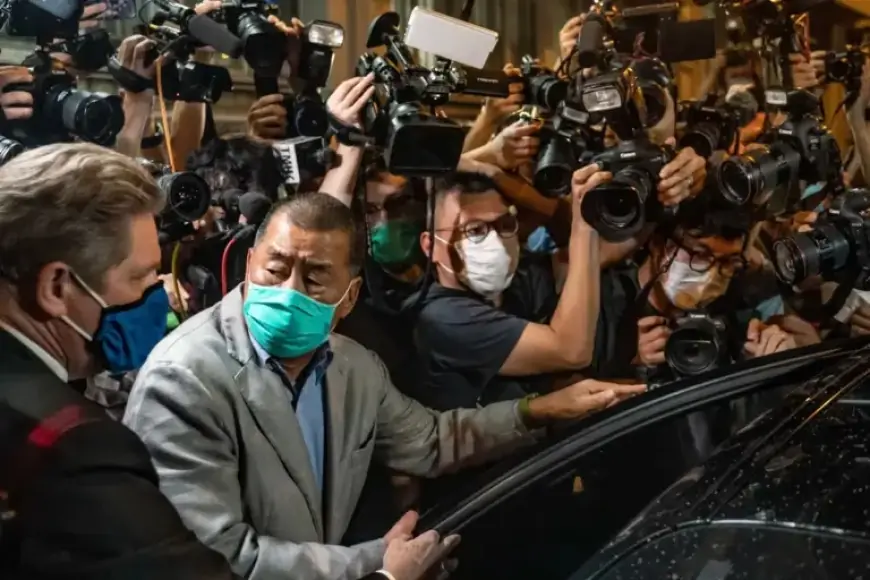
The recent conviction of Jimmy Lai, founder of the defunct Apple Daily, has intensified fears within Hong Kong’s media landscape. After a trial spanning 140 days, Lai received a guilty verdict on sedition charges, which critics deem preordained. His anticipated sentencing could lead to life imprisonment, further tightening the grip on press freedom in the region.
Impact on Hong Kong’s Press Freedom
The state of journalism in Hong Kong has deteriorated significantly over the past few years. The Apple Daily newsroom raid in 2021 marked a turning point. Since then, media professionals have faced mounting pressure in their daily reporting.
- The city’s rank for press freedom plunged from 18th place in 2002 to 140th in recent years.
- Beijing’s national security law, enacted in 2020, has criminalized a range of activities under vague definitions.
- Over 14 media outlets have shut down since the introduction of this law.
Experts like Tom Grundy, founding editor of Hong Kong Free Press, emphasize that journalists now operate under invisible constraints. They are often forced into self-censorship to avoid government retribution.
The Covert Nature of Intimidation
Selina Cheng, chair of the Hong Kong Journalists Association, highlights the subtle intimidation tactics used by authorities. While overt censorship appears reduced, journalists face anonymous threats and targeted audits.
- Government representatives allegedly discourage media coverage through threats to withdraw advertising.
- Lawyers are increasingly consulted before publication to navigate legal ambiguities imposed by the national security law.
- Journalists report being approached by national security police for informal questioning, a practice known as “drinking tea.”
These tactics exemplify how authorities have adapted to stifle dissent without attracting significant backlash.
International and Domestic Responses
The international community’s response to Lai’s conviction reflects broader concerns about human rights in Hong Kong. British Prime Minister Sir Keir Starmer arrived in Beijing amid calls to address the pressing issue of Lai’s imprisonment. His visit marks the first by a UK leader in eight years.
Advocates argue that failure to secure Lai’s freedom would signify a weak stance against Beijing’s growing authoritarianism. Lai, a British citizen, has been in detention for over 1,850 days, with his health reportedly declining.
Future Prospects for Journalists
Despite the challenges, some journalists remain committed to their work. Many believe that even small acts of reporting can maintain a semblance of truth in the region. However, the pervasive atmosphere of fear makes it difficult for any media outlet to operate freely.
As the situation evolves, the case of Jimmy Lai stands as a pivotal reference point for media freedom in Hong Kong. The tightening grip of the authorities calls for continued vigilance and international support for those striving to uphold press integrity in the city.