

























Ex-Fed President Urges Stable Dollar as U.S. Debt nears $40 Trillion

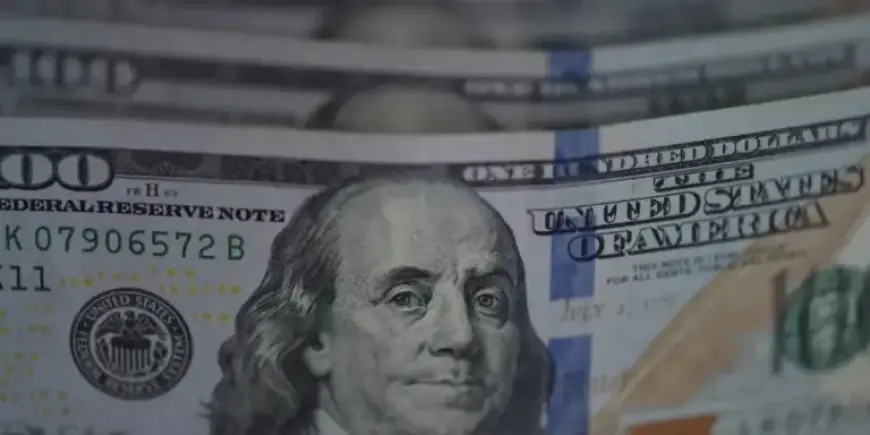
As the U.S. debt approaches $40 trillion, the need for a stable dollar has become increasingly vital. Recent commentary from former Federal Reserve officials highlights this crucial issue amidst a declining dollar and burgeoning national debt.
U.S. Dollar Decline and Implications
The U.S. dollar index has experienced a significant downturn, falling 10% over the past year and 1.2% just this month. This decline follows a series of economic shocks, including former President Donald Trump’s ‘Liberation Day’ tariffs and ongoing concerns about rising debt levels.
Despite this decline, Trump expressed his contentment with the currency’s situation, stating, “The dollar’s doing great.” This perspective comes in the context of high levels of business activity. However, the currency regained some lost ground after Treasury Secretary Scott Bessent reiterated the U.S. commitment to a strong dollar policy.
Debt Levels and Economic Stability
Former Dallas Fed President Robert Kaplan warned that the looming $40 trillion debt threshold necessitates a focus on currency stability above all.
- U.S. national debt currently stands at approximately $38.57 trillion.
- Kaplan emphasized that stability is essential given the immense debt burden.
- Concerns regarding market sustainability and U.S. financial dominance are increasing.
Kaplan noted that while a weaker dollar can benefit exports, the staggering debt levels make a stable currency imperative. He remarked, “When you have that much debt, I think stability of the currency probably trumps exports.” Despite the dollar’s decline, investor interest in U.S. stocks remains strong, which counters fears of a broader sell-off.
Future of the U.S. Economy
Kaplan highlighted the overall economic strength of the U.S. as a positive factor attracting investment.
- Predictions for robust GDP growth are optimistic.
- The American economy shows strengths in innovation and resilience.
In contrast to abandoning U.S. assets, markets are adopting a risk management approach. Investors are showing interest in alternative safe havens like gold, as they adjust to the current economic climate.
Potential Benefits of a Weak Dollar
Economic analysts, including Robin Brooks from the Brookings Institution, argue that a falling dollar may not negatively impact demand for Treasury bonds. Instead, it could actually increase demand.
- Foreign central banks might be incentivized to purchase Treasuries to prevent their currencies from appreciating against the dollar.
- A weaker dollar could maintain or even boost Treasury bond demand.
Brooks mentioned that dollar weakness could lead to increased demand for Treasury securities, exerting downward pressure on longer-term yields. Thus, despite the overarching concerns surrounding the dollar’s stability, certain economic dynamics may provide unexpected support to U.S. financial instruments.