

























India Amplifies Infrastructure Spending, Commits to Fiscal Discipline

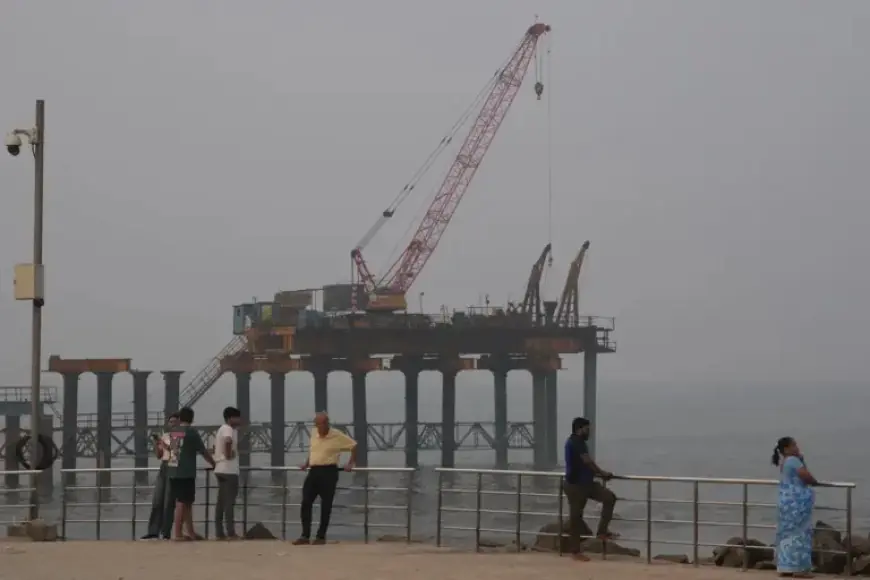
Prime Minister Narendra Modi’s government has presented a budget focused on infrastructure spending while maintaining fiscal discipline. Announced by Finance Minister Nirmala Sitharaman, the budget seeks to sustain India’s economic growth amid global uncertainties.
Infrastructure Spending and Economic Growth
The budget for the 2026-27 fiscal year, commencing April 1, aligns with Modi’s vision of a robust economy. As major economies face high interest rates and geopolitical tensions, India’s approach emphasizes resilience and strategic investments.
- Projected economic growth of 6.8% to 7.2% next year.
- Targeting a fiscal deficit of 4.3% of GDP.
- Enhanced capital expenditure: 12.2 trillion rupees ($133 billion).
Commitment to Fiscal Discipline
Despite increased spending plans, the government is committed to fiscal consolidation. The aim is to reduce the deficit from 4.4% of GDP this year to 4.3% next year. Sitharaman emphasized that there would be no populist giveaways, and reforms would focus on long-term sustainability.
Structural Reforms and Manufacturing Focus
The budget intends to bolster manufacturing by investing in strategic sectors. Key sectors include:
- Biopharma
- Semiconductors
- Electronics
- Rare earth magnets
To decrease import dependency, the government will establish three chemical production parks and extend financial support to micro, small, and medium enterprises to stimulate job creation.
Financial Market Reforms
Significant reforms are planned for India’s financial markets. Sitharaman outlined initiatives to strengthen the corporate bond market and simplify rules for foreign investors. This is vital for attracting stable, long-term capital amid competitive global markets.
Rail Development and Sustainable Initiatives
Infrastructure development also includes ambitious rail projects. Plans include:
- Seven high-speed rail corridors connecting major cities.
- New dedicated freight corridors to enhance cargo movement.
- Operationalization of 20 new waterways over five years.
Moreover, the government aims to promote ecological tourism through sustainable mountain and coastal trails while fostering mining and processing capabilities in rare earths.
Overall, the Indian government is making strategic moves to enhance infrastructure spending while ensuring fiscal discipline. As it navigates through global challenges, these initiatives may secure India’s economic future.