

























EU Outshines China in Economic Influence Over Serbia and Georgia

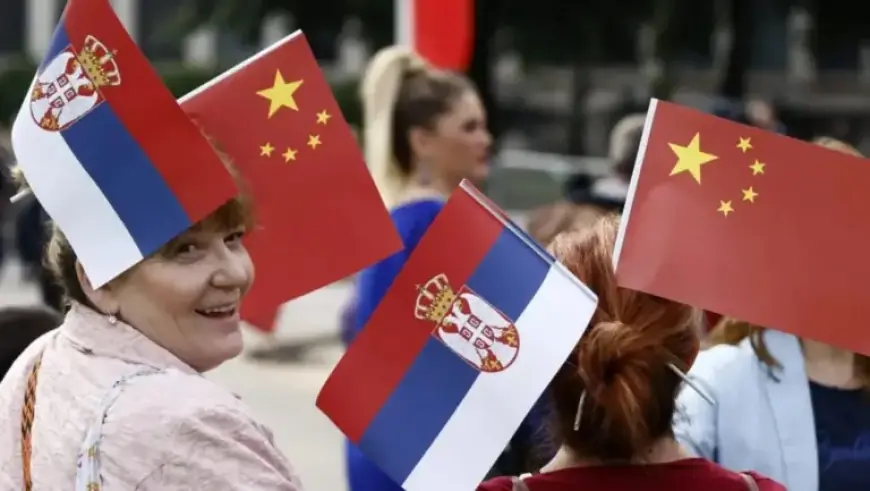
The European Union (EU) continues to hold a strong economic influence over Georgia and Serbia, despite the ongoing efforts of China and Russia to expand their financial footprints in these countries. Recent data reveals that the EU is the dominant trade partner for both nations, outpacing their interactions with China and Russia significantly.
EU’s Economic Dominance in Georgia
In 2017, Georgia entered into a Free Trade Agreement with China, yet its economic ties with the EU remain substantially stronger. As of 2023, Georgia imported goods valued at over €23.8 billion from the EU, while exporting approximately €7 billion. This trade balance underscores the EU’s pivotal role in the Georgia’s economy despite competing narratives of rising Chinese influence.
China’s Strategic Presence
While China has made strides in establishing a strategic partnership with Georgia, particularly highlighted in 2023, the nature of Chinese investment is notably different. Aleksandar Matkovic, a researcher at the University of Barcelona, indicates that China has focused heavily on industrial infrastructure. This includes sectors like mining, energy, and transport, primarily facilitated through loans from Chinese banks as part of its Belt and Road Initiative.
Serbia’s Economic Relations
Similarly, Serbia demonstrates a distinct preference for the EU in trade relations. In 2023, Serbia imported goods worth €24 million from the EU, while imports from China totaled only €5 million, and even less from Russia at under €2 million. Serbian exports tell a compatible story, with nearly €21 million sent to the EU compared to approximately €1.3 million for both China and Russia.
Public Perception and Economic Narratives
- Perception of China: China is often viewed as a benefactor in both Serbia and Georgia.
- Investment vs. Loans: The line between investment and loans is blurred, impacting public understanding of economic cooperation.
- Political Influence: The portrayal of foreign investments by local political elites shapes public perception significantly.
Stefan Vladisavljev from the Belgrade-based NGO Foundation BFPE highlights how both countries lack clear distinctions in their perceptions of foreign aid and investment. The presentation by political figures plays a crucial role in how these investments are viewed by the citizens.
Conclusion
In summary, the EU’s economic influence over Georgia and Serbia remains robust, overshadowing the growing presence of Chinese investments. Despite the allure of infrastructure projects funded by China, the data consistently reflect stronger trade relations with the EU. As both countries navigate their economic futures, understanding these dynamics is vital for their developmental strategies.