
























Nirmala Sitharaman Revamps 75-Year Budget Tradition

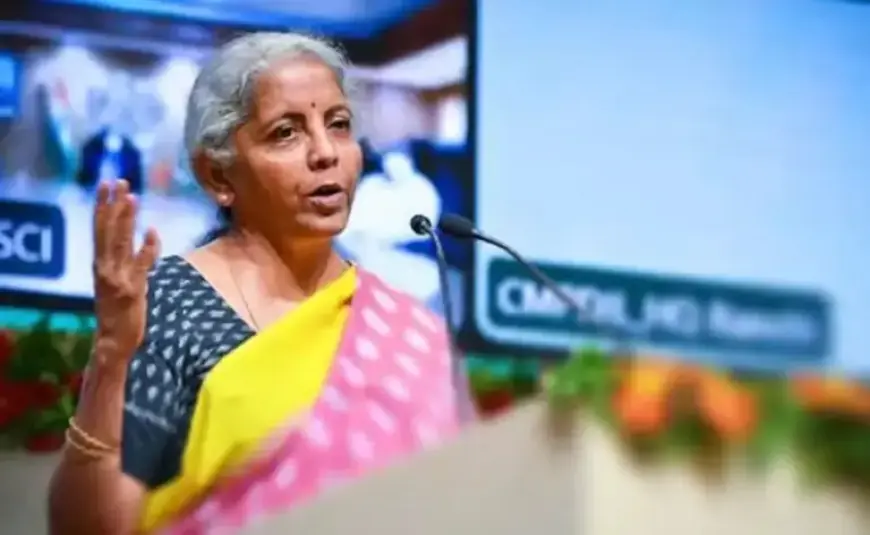
Finance Minister Nirmala Sitharaman is poised to transform the traditional approach to the Union Budget, marking a departure from a 75-year precedent. This year, she will utilize Part B of her address to present a comprehensive vision for India’s economic landscape.
Nirmala Sitharaman’s Bold Move in the Union Budget
Historically, the majority of budget details were contained in Part A, while Part B primarily focused on tax and policy announcements. However, the upcoming Budget will diverge from this norm. It aims to outline both immediate priorities and long-term strategies, emphasizing India’s domestic strengths alongside its aspirations on the global stage.
Anticipated Changes and Observations
Economists, both domestically and internationally, are keenly observing this shift. They expect a roadmap that transcends standard tax modifications. This represents Sitharaman’s ninth consecutive Budget since taking office, and she has made notable changes in past years. For instance, in her inaugural Budget of 2019, she replaced the traditional leather briefcase with a ‘bahi-khata’, wrapped in red cloth, symbolizing a cultural nod.
- This year’s budget will remain paperless, consistent with the last four years.
- The fiscal consolidation roadmap aims for a deficit below 4.5% of GDP by fiscal 2026.
- Key emphasis will be on the fiscal deficit numbers for the upcoming financial year.
- Capital expenditure for the current fiscal year is estimated at Rs 11.2 lakh crore.
Focus Areas in the Upcoming Budget
The government is expected to prioritize capital expenditure, with projections indicating a 10-15% increase from previous targets. This comes as private sector investment remains cautious. Furthermore, projections for nominal GDP growth in fiscal 2027 are anticipated to range between 10.5% to 11%, providing insights into potential inflation trajectories.
Key sectors, including health and education, will likely receive significant spending attention. Additionally, important schemes such as G RAM G will be highlighted, playing a critical role in the government’s broader economic strategy.
This Union Budget signifies a pivotal moment as Nirmala Sitharaman revamps a time-honored tradition, setting a new course for India’s fiscal policy and economic future.