























Kevin Warsh to Face Unprecedented Fed Chief Challenges

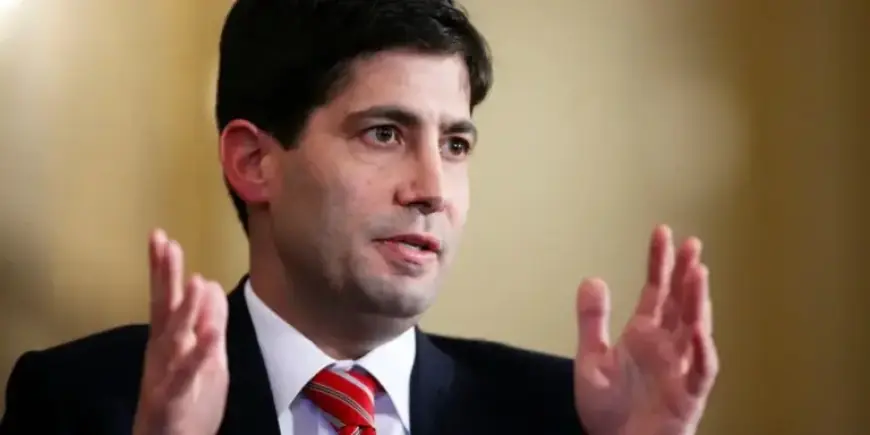
The newly appointed Federal Reserve chairman, Kevin Warsh, is set to confront challenges that echo the financial turbulence of the post-World War II era. This period was marked by significant spending that led to substantial debt levels. Today’s circumstances are eerily similar as the United States grapples with a budget crisis not seen in 70 years.
Current Economic Landscape
The U.S. is facing unprecedented budget challenges. Currently, one-fifth of tax revenues goes toward servicing interest on the national debt. Projections by the Congressional Budget Office (CBO) indicate that by 2035, interest payments may surpass everything else in the budget, even Medicare expenditures.
- Interest costs consume 20% of tax revenues.
- CBO forecasts interest payments will be the largest budget item by 2035.
Challenges Ahead for Kevin Warsh
Warsh steps into a role where rising interest rates could exacerbate existing problems. If the Fed opts to increase rates to control inflation, the administration will likely oppose such measures. This conflict mirrors historical tensions faced after World War II.
President Trump has been vocal about lowering interest rates, arguing that maintaining low rates is essential for continued economic stability. In a recent post on Truth Social, Trump emphasized that America should have the lowest interest rates globally. He criticized current Fed Chairman Jerome Powell for what he labeled as burdensome interest costs affecting the economy.
Fiscal Policy Implications
The dynamics of interest rates greatly influence federal borrowing. The U.S. Treasury has increasingly relied on T-bills, accounting for 84% of federal borrowings in the last fiscal year. This trend is expected to continue, with approximately $10 trillion in U.S. bonds set to mature within one year.
- T-bills represented 84% of federal borrowings last year.
- $10 trillion in U.S. bonds will mature in the next twelve months.
The Short-Term Strategy
Should the Fed follow Trump’s advice and decrease rates, it may offer temporary relief in the budget. Lower short-term rates could reduce immediate interest expenses. However, this strategy carries risks, akin to high-risk mortgage practices from the 2007 financial crisis.
Cutting rates in a high-inflation environment could reignite inflation, leading to more expensive refinancing in the future. While lower rates might improve short-term figures, they could lead to rising costs later as the market adjusts.
Long-Term Consequences
If Warsh decides to combat inflation aggressively, borrowing costs for the government may remain elevated. This approach might draw criticism from the administration as it could hinder fiscal plans. Experts like Steve Hanke warn that a prolonged high-interest environment could weaken the dollar and erode foreign investors’ confidence in America’s fiscal health.
The long-term trajectory of U.S. debt looks daunting. Should borrowing remain heavily focused on short-term instruments, the government may face even greater interest burdens as market dynamics shift.
Conclusion
Navigating the balance between interest rates and fiscal responsibility is crucial for Kevin Warsh. As he assumes this challenging role, the decisions he makes could have far-reaching implications for the U.S. economy and its credibility on the global stage. It remains to be seen how he will respond to the complex pressures from both economic realities and political expectations.