

























Venezuela Unveils Amnesty Bill: NPR Reports

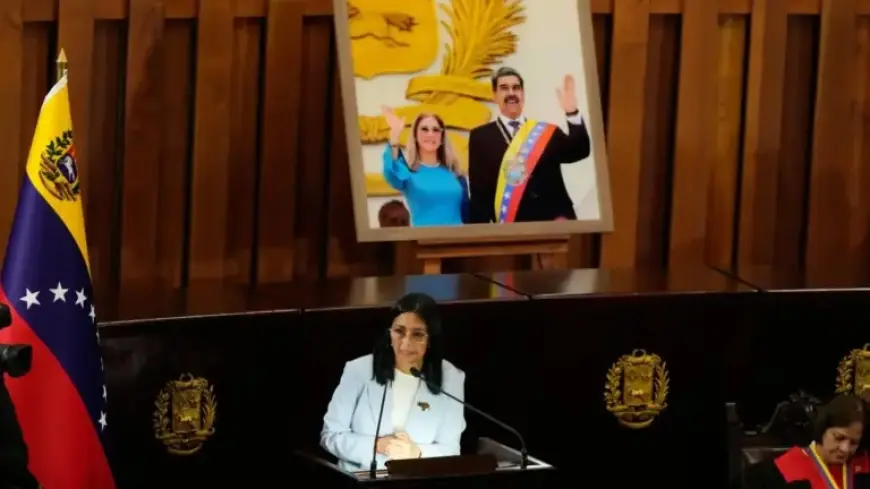
Venezuela’s acting President Delcy Rodríguez recently introduced a significant amnesty bill aimed at potentially freeing hundreds of political prisoners. This initiative comes after a prolonged demand from the opposition, which has been backed by the United States. The bill’s announcement marks another concession from Rodríguez, who assumed the presidency on January 3, 2026, following a controversial military intervention that ousted Nicolás Maduro from power.
Key Features of the Amnesty Bill
During a ceremony at the Supreme Tribunal of Justice in Caracas, Rodríguez emphasized the necessity of the bill to heal political rifts. She stated, “May this law serve to heal the wounds left by the political confrontation fueled by violence and extremism.” Rodríguez indicated that the bill would be addressed urgently by the National Assembly, which is controlled by the ruling party.
Shutdown of Helicoide Prison
In a move signaling reform, Rodríguez announced the closure of the notorious Helicoide prison, a facility long criticized for human rights abuses. She plans to convert it into a sports, social, and cultural center for local communities. This announcement came amidst strong emotional reactions from the families of detainees, many of whom gathered outside the prison to hear the news.
Public and Political Reactions
- Opposition leader María Corina Machado criticized the government’s motives, asserting the actions were responses to U.S. pressure.
- According to Foro Penal, a prisoners’ rights organization, approximately 711 individuals remain imprisoned for political reasons, with 183 having been sentenced.
- Notable political prisoners include Freddy Superlano and Juan Pablo Guanipa, significant figures in the opposition.
Details on Amnesty Scope
Rodríguez stated that the proposed general amnesty would address political violence from 1999 to the present but excluded those convicted of serious crimes such as murder and drug trafficking. The specifics of how individuals will qualify for amnesty remain unclear as the text of the bill was not released.
Criticism and Concerns
Alfredo Romero, president of Foro Penal, welcomed the amnesty but stressed the importance of inclusivity to avoid further discrimination. The organization reported 302 releases since a previous goodwill gesture earlier in January, yet emphasized that the pace of releases has been slower than expected.
International Implications
The U.S. Department of State confirmed the release of all known American citizens held in Venezuela, as it prepares to send Laura Dogu to serve as the top diplomat in the country. The ongoing situation highlights the complex interplay of domestic politics and international relations as Venezuela navigates its political landscape.
In conclusion, while the amnesty bill offers a ray of hope for many families, significant skepticism remains about its implementation and the motives behind it. As Venezuela moves forward, the path to justice and reconciliation remains fraught with challenges.