

























Vietnam Faces Aging Population Challenges Amid Limited Care Resources

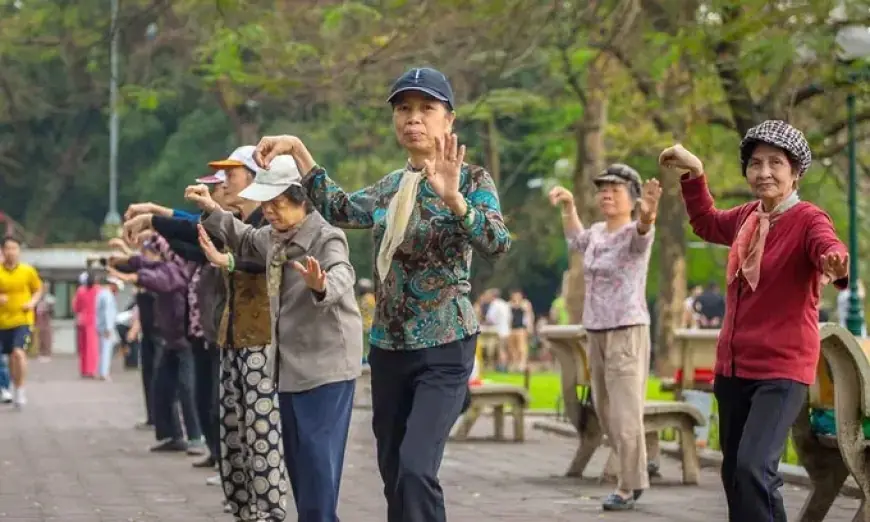
Vietnam is experiencing significant demographic changes as it faces the challenges of an aging population. This trend is occurring at a rapid pace, making Vietnam one of the fastest-aging countries in Asia, according to the United Nations and the World Health Organization.
Aging Population Challenges in Vietnam
The proportion of the population aged 60 and older has surged in recent decades. This demographic shift presents unique difficulties since it is happening before the country has fully developed a comprehensive long-term elderly care system. Traditional family structures and community support that previously sustained older generations are increasingly strained due to urbanization and labor migration.
Impact of Urbanization and Migration
- Labor migration reduces the number of working-age adults in rural areas.
- Increasing living costs force families to seek employment further from home.
- The result is a growing number of elderly individuals living alone, often reliant on minimal social assistance.
Cultural Barriers to Care
Nursing homes are a common solution in many countries, but in Vietnam, cultural stigma prevents their widespread acceptance. Families often perceive placing elderly members in such facilities as a sign of failure. This moral burden leads many to provide care independently, even when they lack the necessary resources.
State and Private Care Facilities
Vietnam’s state-run social protection centers cater mainly to those in extreme conditions and are often overcrowded. Although private nursing homes exist in major cities like Hanoi and Ho Chi Minh City, their high costs limit accessibility for most families.
The Role of Religious Orders
Amid this caregiving gap, small-scale facilities run by Catholic religious orders provide vital services. These community-based homes accommodate elderly individuals who are poor or alone, regardless of their religious background. An example is the Little Sisters of the Poor, who offer residential care and basic medical support as part of their mission.
Supporting Community Initiatives
- The Daughters of Charity of Saint Vincent de Paul operate homes for low-income elderly individuals, especially in southern Vietnam.
- Caritas Vietnam and local Caritas networks support elderly individuals through medical assistance and social connections.
- In regions with limited economic resources, elderly individuals are often cared for in convents or through home visits due to the absence of dedicated facilities.
The Unseen Work of Caregivers
Much of the elder care in Vietnam is performed by women, often without compensation. This unpaid labor is predominantly undertaken by family members and religious communities. Nuns and female caregivers balance these responsibilities without adequate support from public policy or formal recognition.
A Collaborative Approach to Elder Care
Care for the aging population in Vietnam involves multiple players. State-run centers, private nursing homes, religious initiatives, and community organizations all contribute. The Vietnam Association of the Elderly advocates for social engagement and policy reforms, while organizations like HelpAge International Vietnam focus on community-based support.
As Vietnam navigates its demographic transition, collaboration among various entities will be essential to address the complex needs of its aging population effectively.