
























Rising Energy Bills Reveal New York’s Energy Paradox

In recent weeks, residents of New York’s Capital Region have faced significant increases in their energy bills. Many are reporting jumps of double to triple digits this month. This spike raises questions about the factors contributing to the rising energy costs.
Examining New York’s Energy Paradox
New York is currently experiencing what can be termed an energy paradox. Residents are paying for both current energy needs and anticipated future costs under the state’s clean energy goals. Factors driving these rising bills include colder winter temperatures, fluctuating natural gas prices, increasing demand due to electrification, and the expense of upgrading outdated infrastructure.
Key Contributors to Rising Energy Costs
- Natural Gas Reliance: Nearly 50% of New York’s electricity is generated using natural gas, leading to price volatility, especially in winter.
- Electrification Demand: Transitioning to electric homes and vehicles is escalating overall electricity demand.
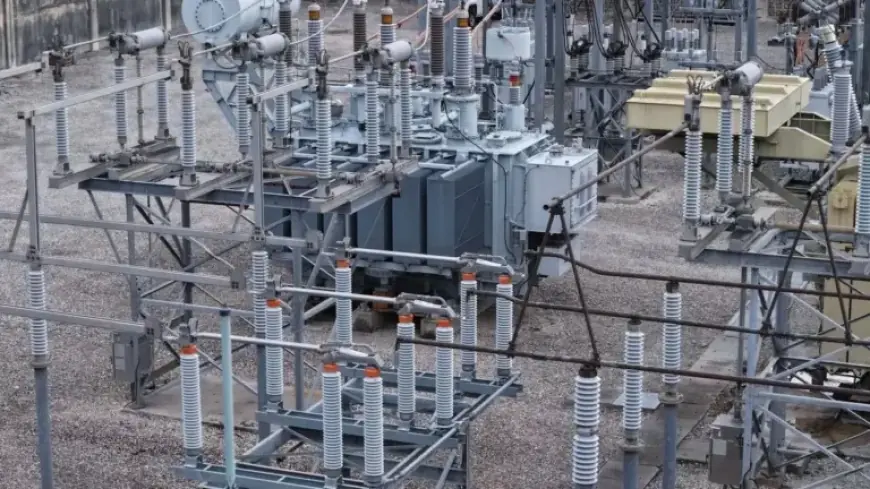
- Aging Infrastructure: Much of the electrical grid components are several decades old, requiring urgent upgrades for reliability.
- Limited Supply: Restrictions on new natural gas pipelines limit supply, especially during peak demand periods.
According to the New York Independent System Operator (NYISO), the state is struggling to balance its shifting energy landscape. The Climate Leadership and Community Protection Act (CLCPA) is pushing for rapid electrification, which is outpacing the grid’s ability to supply electricity reliably.
Infrastructure Challenges and Costs
Replacing old equipment and upgrading transmission lines is essential, according to National Grid spokesperson Patrick Stella. Much of the existing infrastructure is 50 to 60 years old. Even if customers reduce energy usage, delivery charges remain high. This is due to the need to maintain and improve the grid’s infrastructure, including poles, substations, and workforce support.
Implications of Current Energy Policies
Energy analysts indicate that while electrification and infrastructure upgrades are necessary, they contribute to rising costs. NYISO warns that the ongoing dependency on natural gas exposes customers to price volatility. Cleaner energy sources, such as renewables, could provide more stable pricing in the long term.
During this transition phase, New Yorkers are effectively financing both the current energy system and the future clean energy landscape. The short-term impacts of the state’s clean energy goals may drive up bills now, but they aim to achieve long-lasting benefits in reliability and cost control.
Conclusion
As the state navigates its energy paradox, residents will continue to feel the financial effects. Balancing the need for reliable energy today while planning for a cleaner future presents significant challenges. The actions taken now will shape New York’s energy landscape for years to come.