























Serbia Condemns Montenegrin MFA’s Statement for Thesis Swapping

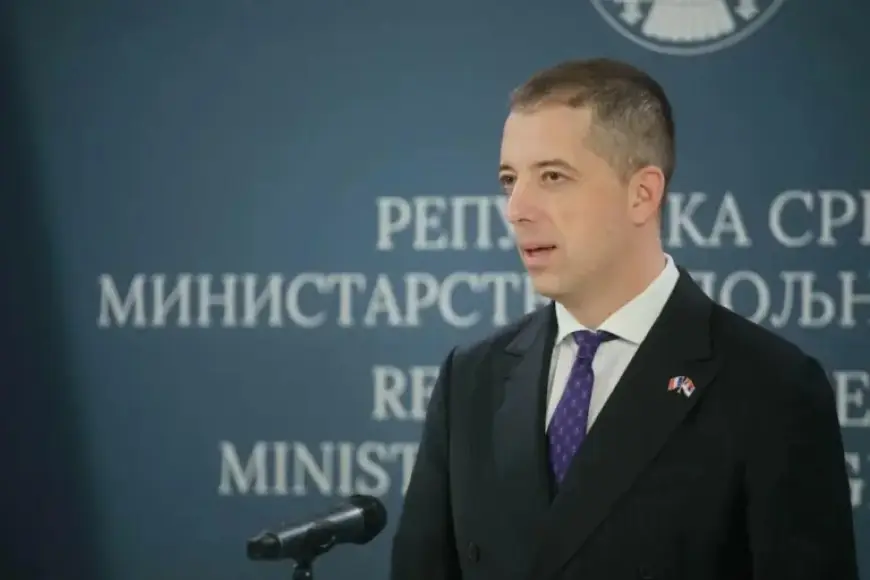
Serbia has voiced strong criticism against the recent statement by the Montenegrin Ministry of Foreign Affairs regarding a social media post that commented on the status of the Serbian language in Montenegro. This development comes after Montenegro summoned the Serbian Ambassador to Podgorica, Nebojša Rodić, to address concerns over the post.
Reaction from Serbian Officials
Serbia’s Ministry of Foreign Affairs, led by Marko Đurić, described Montenegro’s response as a “school example of substituting theses.” The ministry argued that the announcement from Montenegro misinterpreted informal comments made by the Serbian government. They emphasized that the comments were not about Montenegro’s constitutional or legal order, but highlighted the significance of the Serbian language to many citizens of Montenegro.
Claims of Misinterpretation
- The Serbian Ministry criticized Montenegro for overreacting to social media comments.
- They asserted that Serbian linguistic rights are crucial and constitutionally recognized.
- The Serbian government condemned the efforts to politicize the language issue.
The Serbian MFA further remarked that it is disconcerting to see innocuous social media content escalate into serious diplomatic matters. It also noted that such responses might indicate that Montenegro has resolved more pressing domestic challenges.
Context of the Controversy
The source of the controversy stems from a post by the Serbian Government’s Office for Public and Cultural Diplomacy. The office used the well-known American animated sitcom “The Simpsons” to comment on Montenegro’s position concerning the Serbian language, asserting that 43 percent of Montenegrin citizens speak it.
Montenegro’s Official Stance
The Montenegrin Foreign Ministry reiterated that the Serbian Ambassador was informed about the constitutional framework regarding the Serbian language. They referred to Article 13 of Montenegro’s Constitution, which recognizes the Serbian language in official use, affirming the rights of all citizens.
This dispute highlights the delicate bilateral relations between Serbia and Montenegro. Both nations aim for regional stability and mutual respect, noting that diplomatic communication should bolster cooperation.
As both countries navigate these sensitive discussions, the emphasis on linguistic rights underscores the ongoing complexities in their historical relationship.