

























Minnesota Embraces Red Hat Symbolizing Resistance Against Nazi Occupation

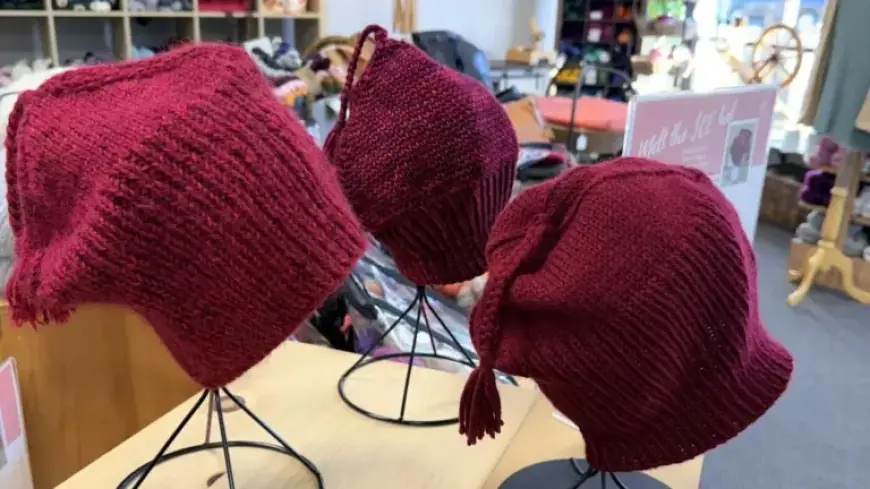
In Minneapolis, the knitting community has come together to create a powerful symbol of resistance against federal immigration enforcement. The Handmade “Melt the ICE” hats, conceived by Paul Neary and crafted in the city’s Needle & Skein yarn store, have transcended local protests and inspired a global movement.
Melt the ICE Campaign Overview
The initiative began earlier this month amid distress over the actions of immigration officials in Minneapolis. The community experienced collective frustration after the tragic deaths of U.S. citizens Renee Good and Alex Pretti, killed by immigration agents.
Shop owner Gilah Mashaal described the situation as “egregious and awful,” prompting the need for protest. Utilizing their knitting skills, Neary designed the “Melt the ICE” hat, which features a unique red design topped with a braided tassel.
Fundraising Success
Since its introduction, the pattern has generated nearly $400,000, with Mashaal stating that $250,000 has already been donated to local nonprofits. These organizations focus on housing support for immigrants, including the STEP (St. Louis Park Emergency Program) and the Immigrant Rapid Response Fund.
- Funds Raised: Nearly $400,000
- Donations Made: $250,000
- Supporting Organizations: STEP and Immigrant Rapid Response Fund
Historical Significance of the Hats
The design of the “Melt the ICE” hat draws inspiration from a historical Norwegian hat known as the “nisselue.” This particular design served as a peaceful protest symbol during the Nazi occupation of Norway in the 1940s.
Mats Tangestuen, director of Norway’s Resistance Museum, expressed interest in this modern connection to a lesser-known aspect of Norwegian history. The original hats emerged around 1941 to maintain morale in challenging times and became banned by German authorities.
The Bigger Picture
Modern-day observers, such as Peter Fritzsche of the University of Illinois, note parallels between the historical circumstances and the current climate in Minneapolis. He emphasized feelings of occupation and the perception of an oppressive force, akin to feelings experienced during wartime.
Community and Activism Through Knitting
Although Mashaal usually avoids political discussions in her shop, her identity as a Jewish immigrant compels her to act against federal actions that harm vulnerable community members. She highlighted knitting as a means of both community building and protest.
Historian Wendy Woloson noted that the red hats are part of a long tradition in crafting activism. Similar to the pink “pussy hats” from the 2017 Women’s March, these creations symbolize solidarity in the fight against inequality and injustice.
Continued Efforts
The “Melt the ICE” hats have sparked conversation and action, as knitters contribute to the cause from their homes. Neary believes in the power of community action through crafting, stating, “Not everybody is built for the front line.”
As the movement grows, it remains to be seen whether the red hats will solidify into a lasting emblem of resistance against ICE. The success of the initiative reflects the collective strength and resilience of the Minneapolis community.