

























Mark Haddon Confronts Loveless Childhood in New Memoir

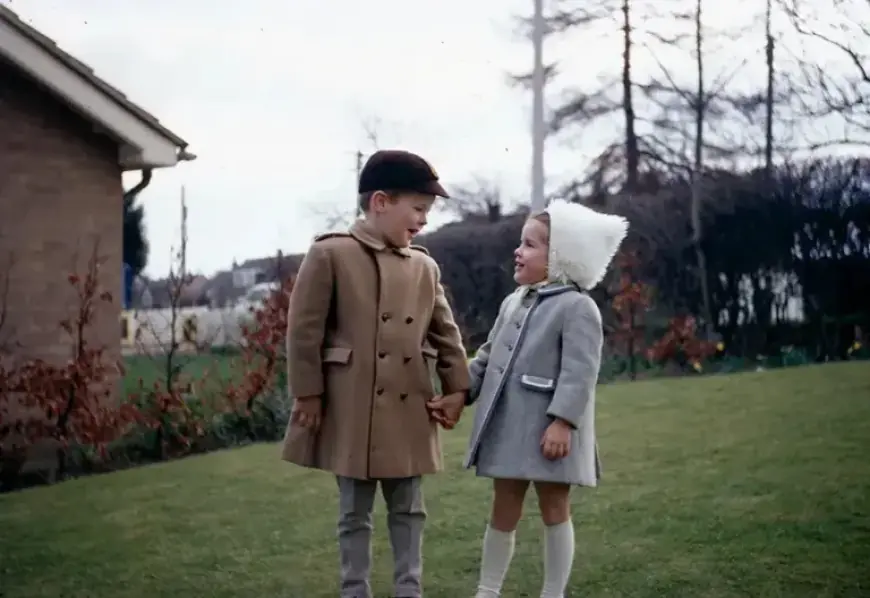
Mark Haddon, renowned for his bestselling novel “The Curious Incident of the Dog in the Night-time,” reflects on his challenging upbringing in his latest memoir. Titled “Leaving Home,” the book explores the psychological landscape shaped by a loveless childhood in 1960s Northampton.
Mark Haddon’s Loveless Childhood
Haddon’s early years were spent at 288a Main Road, where he often found solace in the family bathroom. This room was the only lockable space in a house filled with emotional detachment. He describes his childhood as riddled with existential questions, pondering the universe’s mysteries while surrounded by striking imagery, such as a whimsical shampoo bottle in the shape of a sailor.
A Difficult Family Dynamic
The atmosphere at home was largely influenced by Haddon’s parents. His father was an architect known for designing abattoirs, while his mother, Maureen, showed little interest in her children’s lives, viewing their artwork as mere mess. Mark and his sister Fiona created their childhood drawings on the backs of their father’s blueprints, which were often discarded by Maureen.
- Father: Architect who designed abattoirs
- Mother: Emotionally detached, dismissive of children’s creativity
- Home environment: Loveless and bleak
Haddon’s memories of their mother’s indifference are gut-wrenching. For instance, while Fiona suffered from meningitis, their parents failed to visit, as Maureen prioritized golf over her daughter’s well-being. This lack of support extended throughout their lives, contributing to a deeply flawed family dynamic.
Illustrating Trauma and Anxiety
In “Leaving Home,” Haddon merges words and art, using illustrations to depict his troubled thoughts. Each section of the memoir, instead of following a chronological timeline, comprises distinct, unsettling vignettes from his past. The art serves as both a reflection of mental struggles and a means to explore deeper personal traumas.
Fears and Phobias
Central to the memoir are Haddon’s ongoing battles with anxiety. He recounts overwhelming fears, including hypochondria and an irrational dread of flying. He vividly remembers experiencing panic while anticipating flights, particularly after witnessing a plane incident in Rome.
The author’s reflections reveal both the absurdity and gravity of his fears. In a drawing, he illustrates the panic aboard a nosediving aircraft, capturing the dichotomy of comedy and terror that permeates his thoughts.
Conclusion
Mark Haddon’s “Leaving Home” is a complex exploration of childhood trauma and adult anxiety. By confronting his loveless upbringing, he not only seeks personal catharsis but also offers readers insight into the struggles of navigating a troubled past. This uniquely structured memoir combines narrative and visuals, making it a compelling read for anyone interested in psychological depth and artistic expression.