

























Climate Change’s Impact on Winter Storms Explained

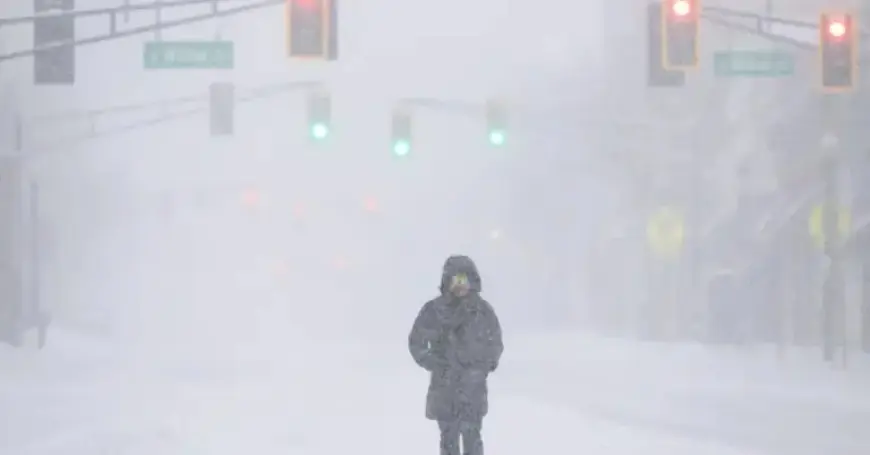
Recent discussions on climate change have intensified, particularly concerning its influence on winter storms. The link between climate change and extreme weather is a focal point for scientists and policymakers.
Understanding Climate Change and Extreme Weather
Climate change is driven primarily by the burning of fossil fuels. This process raises global temperatures significantly, though it does not eliminate cold weather entirely. The scientific consensus maintains that weather and climate differ; however, they are interrelated.
How Climate Change Affects Winter Storms
As the atmosphere warms, it can hold more moisture. This change allows for increased precipitation, which can manifest as rain, sleet, or snow during winter storms. Recent evidence suggests that the polar jet stream, a crucial air current, is being altered due to climate changes.
The polar jet stream typically confines cold air to the Arctic regions. However, warming in the Arctic, which is occurring at a rate nearly four times faster than the global average, may weaken this jet stream. Although scientists understand the vital role the Arctic plays in global weather systems, the exact relationship between its warming and jet stream changes remains partially understood.
Renewable Energy and Winter Weather Events
- Renewable energy sources like wind and solar often face criticism during severe weather events.
- For example, during the 2021 winter storms in Texas, over 70% of the electrical grid was affected.
- Political leaders wrongly attributed power failures to renewable energy sources.
- Studies later revealed that the primary cause was freezing conditions affecting natural gas infrastructure.
- Experimental findings indicate that regions with higher renewable energy penetration experience fewer blackouts.
In conclusion, while cold weather events continue to occur, they do not undermine the established reality of climate change. Efforts to improve understanding and resilience against extreme weather events through reliable renewable energy sources are crucial in facing this ongoing challenge.