





















Uncertainty Looms as Student Loan Forgiveness Deadline Passes

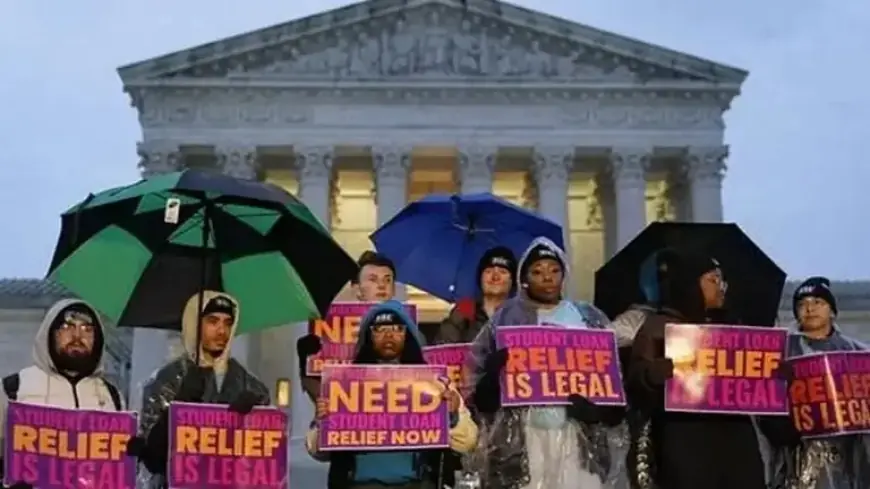
The U.S. Department of Education has missed a critical deadline for processing student loan forgiveness applications. This lapse has left over 207,000 borrowers in a state of uncertainty regarding their financial futures. The deadline, set for January 28, 2026, stemmed from the Sweet v. Cardona settlement, a significant legal agreement aimed at addressing misleading practices by educational institutions.
Background on Sweet v. Cardona
The Sweet v. Cardona case emerged from numerous complaints by students who claimed their colleges misrepresented tuition costs and job prospects. In 2022, the settlement sought to expedite relief for borrowers who had waited years for their applications to be evaluated. However, complications have arisen, leading to operational challenges within the Department of Education.
Details of the Missed Deadline
According to reports, the Department was tasked with reviewing applications submitted between June 22, 2022, and November 16, 2022. With the missed deadline, the department may trigger automatic loan cancellations and reimbursements for affected borrowers. However, the exact timing of this potential relief remains unclear. The department’s failure to comply with the established timeline has sparked concern among borrowers and advocates.
Consequences of the Delay
- Automatic loan cancellation may be granted to affected borrowers.
- Borrowers could receive reimbursements for any prior payments made.
- The missed deadline could impact borrowers’ financial plans significantly.
Kevin Thompson, CEO of 9i Capital Group, emphasized the waiting period’s toll on borrowers. Many have postponed life decisions, from home ownership to starting families, uncertain of their financial situation. “If forgiveness is ultimately granted, it would meaningfully relieve these individuals by removing a major financial burden,” he stated.
Current Status and Future Implications
The Department attempted to secure an extension for the review process, citing a larger-than-anticipated volume of applications and resource constraints as reasons for the delay. Despite their requests, a judge mandated adherence to the original deadline. A second extension request is still pending as of January 2026.
The stakes are high for borrowers who fall under the “post-class applicants” category. While some individuals have already been granted relief, this group was expected to have their applications resolved by the January deadline. Now, they face additional uncertainty regarding their approval status.
The Bigger Picture
Over 40 million Americans grapple with student loan debt, affecting their credit scores and career choices. The Sweet v. Cardona case symbolizes both the potential for much-needed reform and the intricate challenges of administering relief effectively.
The circumstances surrounding the missed deadline have reignited discussions about systemic issues in the student loan system and the government’s accountability. As borrowers await the court’s decision, the outcome could reshape their financial futures and the overall landscape of federal student loan forgiveness.
In summary, the missed deadline raises crucial questions about the effectiveness of the government’s education policies. The consequences for borrowers are profound, highlighting the urgent need for reform in how student debt is addressed moving forward. For now, they can only hope that relief will soon be delivered.