

























Craig Power Urges Federal Government to Allow Coal Plant Closure

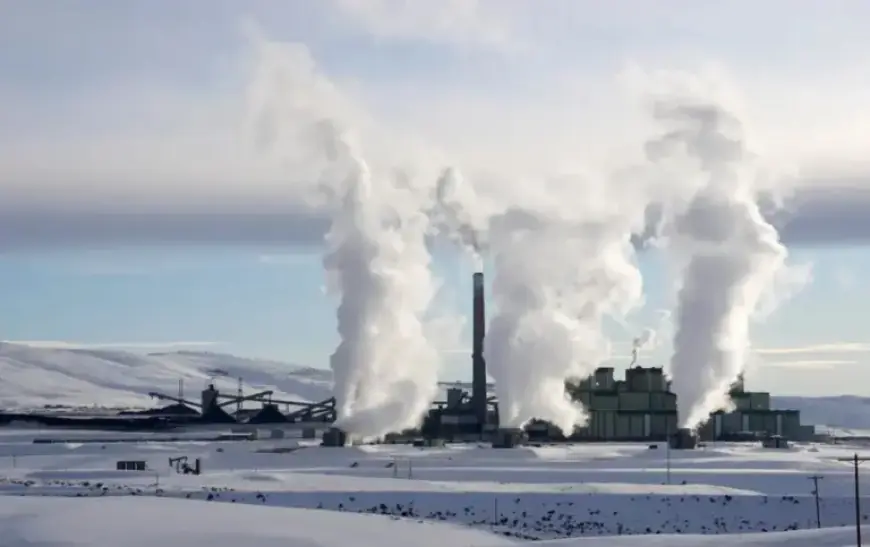
Tri-State Generation and Platte River Power Authority have voiced strong objections to a federal order mandating the continued operation of the Craig Unit 1 coal-fired plant. They assert that keeping the plant open beyond the New Year is unnecessary, financially burdensome, and unconstitutional.
Overview of the Federal Order
The U.S. Department of Energy issued an emergency order for the coal plant to remain operational. In response, Tri-State and Platte River filed a detailed 38-page petition highlighting their objections. The two organizations deliver power to over 1 million consumers across four Western states.
Financial Implications
According to a recent analysis by Grid Strategies, keeping Craig Unit 1 operational could cost at least $85 million annually. This expense is primarily attributed to fuel costs, which account for approximately two-thirds of the total financial burden. The coal plant is known to be a significant emitter of air pollutants and greenhouse gases.
Environmental Impact
Craig Unit 1 alone emitted over 2 million tons of carbon dioxide in 2024. In total, Colorado’s remaining coal plants contribute about 115 million metric tons of carbon emissions. Additionally, the Craig plant produces harmful local pollutants such as nitrogen oxides and sulfur dioxide, leading to further environmental concerns.
Transition to Renewable Energy
Tri-State has planned to retire Craig Unit 1 by the end of 2025. The energy cooperatives have invested in renewable sources like solar and wind farms to replace the retiring coal plant’s capacity. Notably, the newly added Axial Basin solar farm in Moffat County contributes 145 MW of renewable energy.
Legal and Operational Concerns
The owners of Craig Unit 1 argue that the federal order constitutes a violation of the Fifth Amendment, lacking due process and sufficient justification. They request a reconsideration of the order, stating that it disrupts their operational plans and undermines their efforts to transition to cleaner energy sources.
Leadership Statements
Duane Highley, CEO of Tri-State, emphasized that this request was made with serious consideration of the financial implications for their members. Jason Frisbie, CEO of Platte River, echoed these sentiments, reinforcing their commitment to comply with federal regulations while questioning the necessity of the order.
Conclusion
As Tri-State and Platte River Power Authority continue to advocate for the closure of Craig Unit 1, the implications of federal policies on coal energy use remain a critical issue in Colorado’s energy landscape. Their efforts are part of a broader movement toward sustainable and economically viable energy solutions.