Larijani’s Death Triggers Leadership Crisis in Iran’s Regime

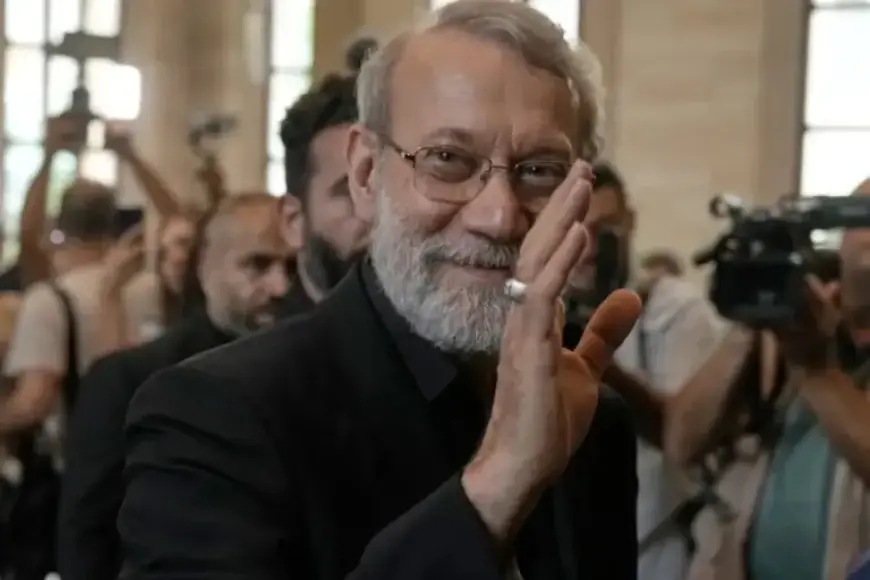
Iran confirmed on Tuesday that Ali Larijani, its top security official, was killed in overnight Israeli strikes in Tehran. Tehran initially denied his death, then acknowledged it after releasing communications and posts linked to Larijani.
Strike and immediate aftermath
Israeli forces said they targeted a “hideout apartment” in Tehran. Defence minister Israel Katz also announced the death of Basij paramilitary commander Gholamreza Soleimani in a separate strike.
Tehran released a handwritten letter and a tribute on Larijani’s X account. The post read: “A servant of Allah has joined his Lord as a martyr.”
Role and significance of Larijani
Larijani led Iran’s Supreme National Security Council. He had served in senior state roles for about 40 years.
Observers said he had been a major domestic and international broker. He held positions in the IRGC, parliament, and the Expediency Council.
Diplomatic expectations
Experts had seen Larijani as a likely figure to guide negotiations after the recent conflict. Professor Maziyar Ghiabi at the University of Exeter said Larijani could have led diplomacy toward a post-war transition.
He was credited with ties across Russia, China, and Gulf states. Those connections made him a plausible interlocutor for Western and regional powers.
Succession and internal politics
The death comes after reports that Mojtaba Khamenei was named supreme leader following Ali Khamenei’s death. Despite that appointment, Larijani was widely viewed as a de facto leader.
Analysts point to Mohammad Bagher Ghalibaf as a possible replacement in key security roles. Ghalibaf is a decorated military figure and a conservative politician.
Official reactions and stability claims
Foreign minister Abbas Araghchi told Al Jazeera the political system remains strong. He argued institutions would continue to function even after high-profile deaths.
Officials pointed to the previous 12 Day War with Israel. They noted Tehran replaced senior figures quickly after earlier losses.
Broader impact
Larijani had publicly challenged US threats. On 10 March he posted a defiant message on X responding to comments by Donald Trump.
Professor Ghiabi warned the assassination of senior officials damages regime security. He said such strikes show deep infiltration and the intelligence reach of Israel and the United States.
Names to note
- Ali Larijani — head of the Supreme National Security Council.
- Gholamreza Soleimani — Basij paramilitary commander.
- Mojtaba Khamenei — reported successor to the supreme leader.
- Mohammad Bagher Ghalibaf — parliament speaker and potential successor in security roles.
- Abbas Araghchi — Iran’s foreign minister.
- Maziyar Ghiabi — academic commentator at the University of Exeter.
Filmogaz.com analysis notes these developments have increased debate over succession and internal cohesion. Observers now warn that Larijani’s death could trigger leadership challenges within Iran’s regime.