

























Trump’s Tariff Promises Fall Short, Impact Disputed

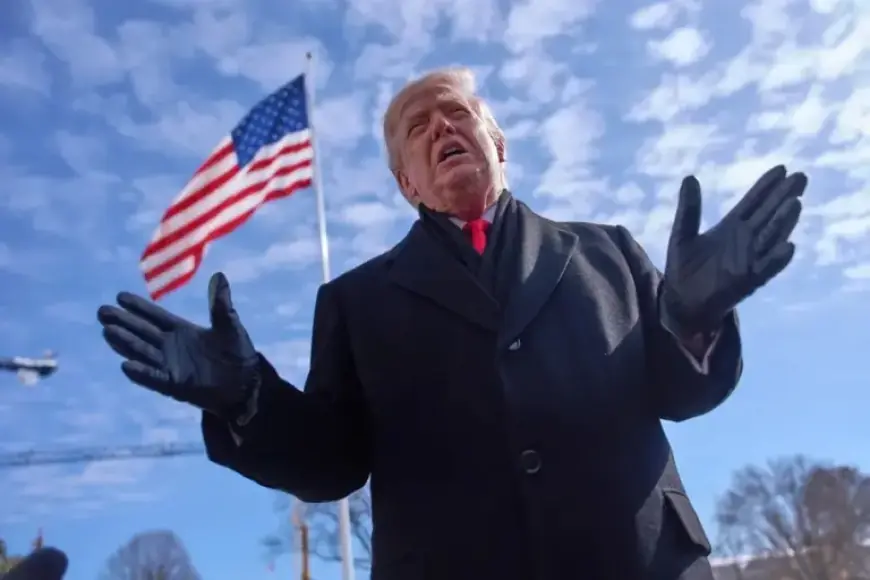
A recent report from the U.S. Bureau of Economic Analysis has cast doubt on President Donald Trump’s tariff promises. Announced last April, these tariffs aimed to reduce imports, revive manufacturing jobs, and lower the trade deficit. However, new data reveals significant growth in the trade deficit, contradicting these claims.
Tariff Policy and Rising Trade Deficit
In November, the trade deficit surged by 95%, marking the largest single-month increase since 1992. The report highlighted that:
- Exports of U.S. goods decreased by $10.9 billion, reaching $292.1 billion, a 3.6% decline from October.
- Imports rose by $16.8 billion, totaling $348.9 billion, representing a 5% increase since October.
This data indicates that American companies continue to import more goods than they export, undermining Trump’s assertions of a manufacturing renaissance.
Impact on Manufacturing Jobs
Despite the promise of creating factory jobs, manufacturing employment in the U.S. saw a decline. The Bureau of Labor Statistics reported that:
- 8,000 manufacturing jobs were lost in December 2025.
- Since the introduction of the tariffs, over 70,000 factory jobs have disappeared, as indicated by Reuters.
This trend suggests that the tariffs have not resulted in the job recovery that was anticipated.
Consumer Sentiment and Economic Concerns
Consumer confidence has also taken a hit, with sentiments plummeting. Dana Peterson, chief economist at The Conference Board, noted that references to rising prices and inflation remain high. This reflects a growing concern among Americans about their financial stability.
Moreover, Trump’s assertion that he had resolved inflation has been rendered questionable, as prices continue to rise.
Public Opinion on Tariff Policies
Polling data reveals that public support for Trump’s tariffs is waning. A Fox News poll indicated that only 37% of registered voters favor these policies. This starkly contrasts with the expectation that tariffs would be beneficial for American workers.
In conclusion, the findings from the Bureau of Economic Analysis highlight the shortcomings of Trump’s tariff promises. As the economy struggles, it raises questions about the effectiveness of such policies and their impact on American workers.