

























Bank of Canada Governor Warns of Economic Shock Potential from Trump Policy

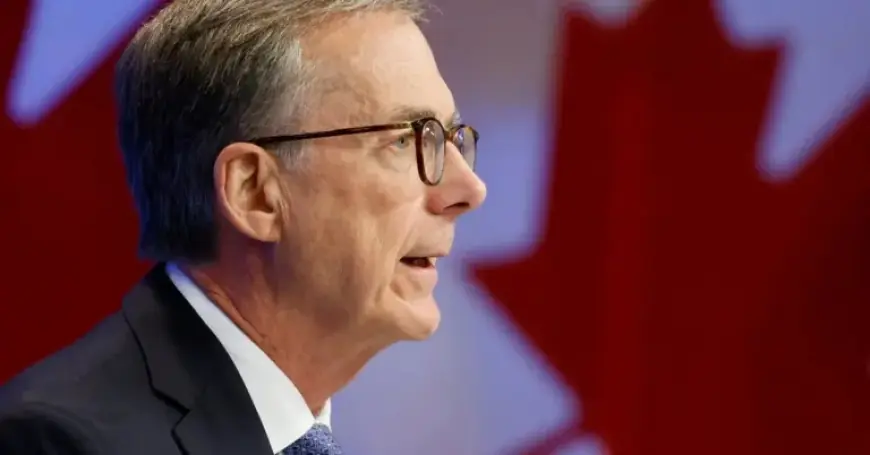
Bank of Canada Governor Tiff Macklem has expressed significant concerns regarding a potential economic shock stemming from elevated geopolitical risks and U.S. trade policies. In a recent interview, Macklem highlighted the unpredictability of U.S. actions and their potential impact on global markets.
Key Concerns Affecting the Canadian Economy
Macklem specifically mentioned that several factors could hinder Canada’s economic forecasts. His comments referred to U.S. President Donald Trump’s controversial foreign policy decisions, including threats towards Greenland and Venezuela, as well as proposed tariffs on Canada. He stated, “There is unusual potential for a new shock, a new disruption.”
Federal Reserve Independence at Risk
Another concern raised by Macklem is the threat to the Federal Reserve’s independence. Trump’s public demand for the Fed to cut interest rates adds to the uncertainty surrounding U.S. economic policy. Macklem noted a recent conversation with Federal Reserve Chair Jerome Powell, emphasizing the importance of stability in the U.S. economy for Canada.
Impact of U.S.-Canada Trade Relations
The Bank of Canada is closely monitoring the implications of the U.S.-Mexico-Canada Agreement (USMCA) review as another potential source of economic disruption. Trump’s recent announcement of a potential 100% tariff on Canadian goods if Canada finalizes a trade deal with China further complicates the situation.
- Increased geopolitical risks could disrupt economic forecasts.
- The Federal Reserve’s autonomy is under threat from political pressures.
- The USMCA review adds uncertainty to future trade relations.
Economic Forecasts and Risks
On January 29, the Bank of Canada chose to maintain its interest rate while unveiling new economic projections. Macklem indicated these forecasts for modest growth in 2026 and 2027 remain consistent with previous estimates but are vulnerable to various risks. “We feel there are more things that can go wrong around that forecast,” he remarked.
The conversation around potential interest rate changes remains active. Money markets currently predict no rate cuts through 2026, yet a rise in rates is considered likely toward the year’s end.
Conclusion
Macklem’s remarks underline a complex interplay of geopolitical uncertainties and U.S. policies that could drastically affect Canada’s economic landscape. As global markets react to these developments, the focus remains on maintaining stability and navigating potential shocks in the economy.