

















Florida Proposes 1-Year H-1B Hiring Freeze at Public Universities

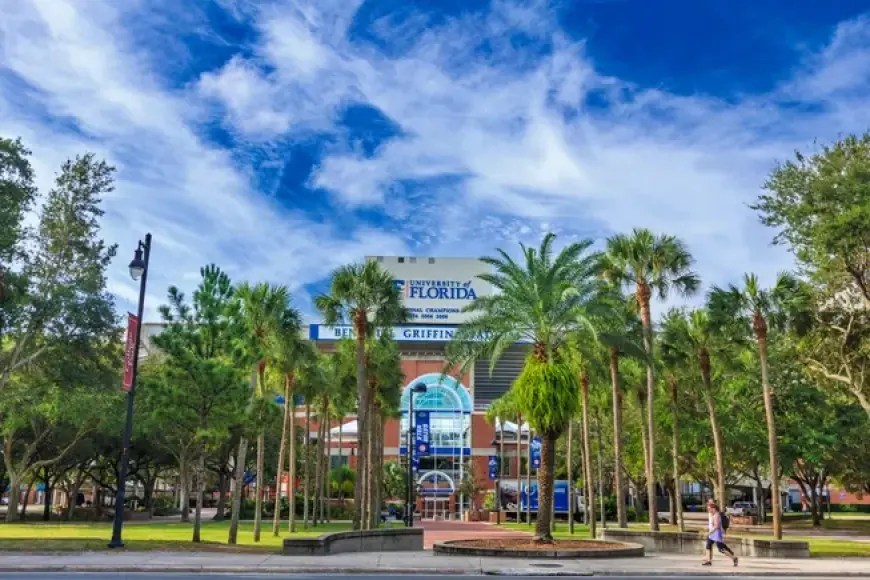
Florida is looking to suspend the hiring of foreign workers through the H-1B visa program at its public universities. This proposal could impact employment practices in the state’s higher education sector.
Proposed Hiring Freeze Details
The Board of Governors for Florida’s university system plans to vote on this proposal during their meeting on January 29. Under the new policy, the use of H-1B visas for new hires would be prohibited until January 5, 2027.
Background of the Proposal
This initiative aligns with Governor Ron DeSantis’s stance on H-1B visas. DeSantis previously expressed concerns over what he deemed “H-1B abuse” within Florida universities.
- H-1B visa program facilitates hiring of specialized foreign workers.
- Governor DeSantis argues that these hires limit opportunities for qualified American candidates.
Current H-1B Employment Statistics
According to federal data, Florida’s universities significantly rely on H-1B workers. For instance:
- The University of Florida employed 253 H-1B visa holders in fiscal year 2025.
- Florida State University followed with 110 H-1B employees.
- The University of South Florida had 107 H-1B workers.
Responses and Wider Implications
University officials did not comment on the proposed hiring freeze when approached for feedback. Governor DeSantis issued a directive in October, instructing the university system to cease reliance on H-1B visas in their hiring processes.
The governor’s perspective mirrors actions taken by the Trump administration regarding H-1B policies. In September, Trump introduced a proclamation that imposed a $100,000 fee for new H-1B visa applications, raising concerns in the educational sector.
Calls for Exemptions and Legal Challenges
In response to the fee, nearly thirty higher education organizations have petitioned for an exemption. They argue that this exemption should align with existing benefits for the higher education sector.
The legal landscape surrounding the new fee has seen various challenges. Recently, a federal judge upheld Trump’s authority in issuing the proclamation. This decision has led organizations like the U.S. Chamber of Commerce to appeal the ruling.
Conclusion
As Florida considers this significant policy change, the potential ramifications for hiring practices at public universities remain unclear. The proposed one-year freeze on H-1B hiring may reshape the landscape for future employment of specialized workers in the state’s higher education system.