























Trump Confronts Iran Amid War Threats and Ambiguous Evidence

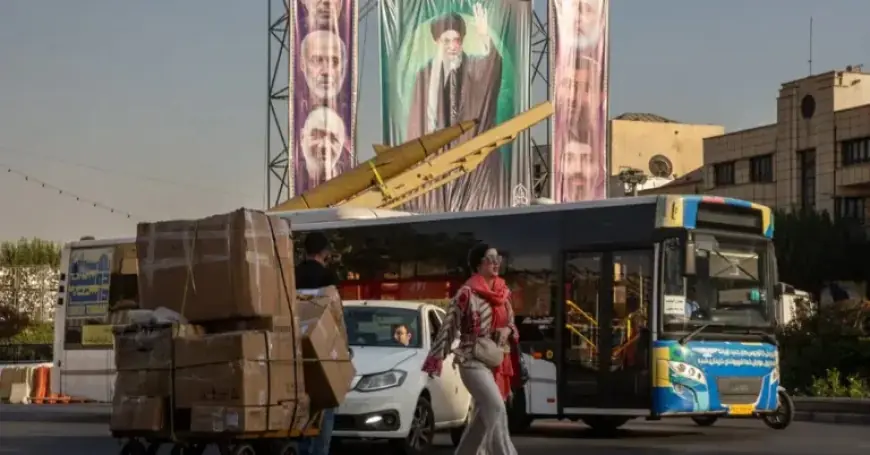
The ongoing tension between the United States and Iran has escalated following recent threats from President Trump regarding potential military action. This renewed focus on Iran’s nuclear program raises questions about the motives behind Trump’s confrontational stance.
Context of the Situation
In June, Trump ordered airstrikes aimed at addressing concerns that Iran may acquire nuclear weapons. He warned that if Iran did not comply with demands for peace, stronger military actions could follow. However, U.S. and European officials, along with independent monitoring groups, claim little progress has been observed in Iran’s nuclear weapons capabilities since then. This discrepancy has led to speculation regarding Trump’s intentions.
Ambiguous Evidence of Iran’s Nuclear Program
Current intelligence indicates that Iran’s nuclear development has not significantly progressed. According to reports, the enriched uranium previously targeted in airstrikes remains untouched at various sites. U.S. officials believe that while Iran is working to fortify its existing facilities, high-level uranium enrichment to produce bomb-grade material is not currently underway.
- Key locations of concern include:
- Isfahan
- Natanz
Military Buildup in Response to Threats
In support of Trump’s threats, the Pentagon has initiated a military buildup in the region, deploying the Abraham Lincoln aircraft carrier along with associated support vessels. Fighter jets and missile defense systems are also being stationed in proximity to Iran.
The Risks of Military Action
A second military operation against Iran could possess severe destabilizing implications. Observers suggest that ongoing protests and Iran’s economic struggles might make its government vulnerable to external military actions. This perception has raised alarms, particularly regarding potential retaliatory strikes from Iran targeting Israeli cities.
Diplomatic Stance and Future Considerations
Trump’s administration, while aggressively pursuing a military option, also seems to suggest that negotiations are on the table. The President emphasized the necessity for Iran to cease its nuclear ambitions in return for a “fair” deal. However, lawmakers express concerns that such a strategy might lead to unintended consequences rather than a sustainable resolution.
Impact Assessment and International Relations
U.S. and Israeli intelligence agencies continue to monitor Iran’s recovery from prior strikes. Although some capabilities have been severely degraded, assessments indicate that Iran has the potential to extend its nuclear program if it chooses to do so. Nonetheless, fears of international backlash prevent Iran from openly ramping up its nuclear efforts.
In summary, the situation remains complex, with Trump’s confrontations presenting both risks and opportunities. As military tensions rise, the international focus will remain on Iran’s nuclear ambitions, the balance of power in the Middle East, and the potential for renewed diplomatic negotiations.