

























Australia’s Main Grid: 100% Renewable Electricity Achievable and Affordable by Year 4

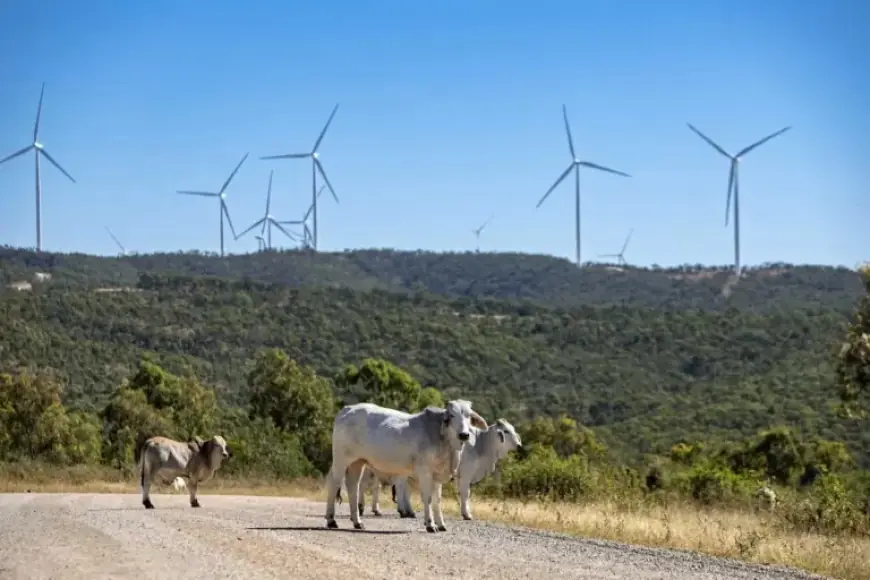
Recent simulations of Australia’s National Electricity Market (NEM) reveal that achieving close to 100% renewable electricity is not only feasible but also economically viable within the coming years. By utilizing 24 GW of renewable energy generation capacity and 120 GWh of storage, the NEM can meet its average electricity demand effectively.
Simulation Background
Started on August 25, 2021, the simulation aimed to demonstrate the potential for Australia’s electricity grid to operate predominantly on renewable sources. The model incorporates actual demand and generation data, maintaining a realistic approach without modifications. It was designed to source approximately 60% of its annual demand from wind and 45% from solar.
Key Findings from Four Years of Simulations
- Averaged renewable electricity supply was 98.5%, with only 1.5% coming from supplementary “Other” sources, mainly gas or diesel generators.
- The average additional power requirement from “Other” generators was 358 MW, peaking at 10,186 MW on June 12, 2025.
- The simulation achieved 100% renewable output from September through March but required supplementary power from “Other” during the April to August period.
- Notably challenging periods occurred in 2024 due to a significant wind drought, particularly in June when “Other” sustained 18.6% of demand.
Cost and Emissions
The estimated cost for maintaining this nearly renewable electricity grid is around $126/MWh, which aligns with comparable wholesale electricity costs over the past five years. This expense factors in all generation sources, including transmission and storage efforts.
In terms of emissions, the estimated intensity rates at 9 kg CO2-e/MWh for direct emissions, and 37 kg CO2-e/MWh when considering full lifecycle emissions, positioning the grid among the cleanest globally.
Adequacy of Storage Solutions
The simulation integrated hydroelectric power and storage options to meet grid demands. Around 82% of electricity demand was directly supplied from wind and solar, avoiding reliance on battery storage for most hours. Storage only handled about 10% of overall supply.
With existing infrastructure, particularly hydro storage, future developments may eliminate dependencies on fossil fuel peaking plants, transitioning towards entirely renewable energy solutions.
Complexity and Future Projections
As demand patterns shift, the ability to balance supply and demand using predominantly renewable sources will become increasingly critical, especially during peak seasons. The near-100% renewable supply comes at a time when more aggressive electrification, such as in transport and heating, is anticipated.
Concluding Insights
The ongoing simulations indicate that Australia can achieve and maintain a highly renewable electricity grid by diversifying its energy sources and integrating additional storage. As advancement in technology continues to support these objectives, the mainstream adoption of renewables looks to play a pivotal role in Australia’s energy future.