

























U.S. Dollar Hits Lowest Level in 4 Years: Discover the Reasons

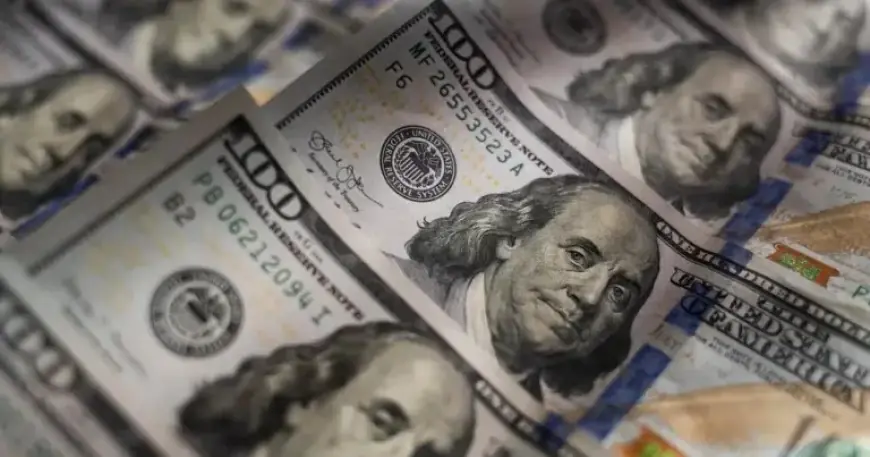
The U.S. Dollar has recently experienced a significant decline, reaching its lowest point in four years. According to the ICE U.S. Dollar Index, which measures the dollar against a basket of six major currencies, the dollar has dropped over 3% since mid-January. This decline reflects broader economic trends and events affecting various markets.
Impact of the Dollar’s Decline
The falling dollar affects numerous sectors. It escalates costs for American companies importing goods like furniture and clothing. This situation is compounded by the Trump administration’s tariffs, creating additional expense burdens for these businesses.
Economic Instability and Tariff Threats
Economists point out that escalating tariff threats from President Trump and potential government shutdowns have destabilized the dollar. Recent commentary from Alex Kuptsikevich, FxPro’s Chief Market Analyst, suggests that Trump’s tariff policies and pressures on the Federal Reserve to lower interest rates are significant factors in this decline.
- Tariff threats influencing investor confidence.
- Federal Reserve pressure affecting monetary policy.
Rising risks of government shutdowns are also contributing to uncertainty, as lawmakers demand changes related to immigration policies. This impending shutdown could mimic last year’s prolonged closure, which lasted 43 days and caused significant disruptions.
Trump’s Perspective on the Dollar
President Trump has publicly expressed a positive view of the dollar’s current state. During a January 27 appearance in Iowa, he stated he believes the dollar’s value is beneficial for U.S. businesses. However, his remarks have led to speculation that the administration might prefer a weaker dollar to stimulate exports.
Official Stance on Currency Interventions
Despite speculation around a weaker dollar, Treasury Secretary Scott Bessent affirmed that the U.S. government continues to advocate for a strong dollar. The dollar remains the dominant reserve currency worldwide, with approximately 56% of global foreign reserves held in dollars as of the third quarter of 2025, according to the International Monetary Fund.
Investor Behavior: The “Sell America” Trend
Concerns over U.S. economic policies and high national debt levels have led some global investors to sell off U.S. assets, a phenomenon known as the “Sell America” trade. This trend often involves shifting investments from the dollar and Treasury assets to safe-haven options like gold, which has recently reached record prices over $5,500 per ounce.
The Role of the Federal Reserve
Investor anxiety is exacerbated by uncertainty surrounding the Federal Reserve’s leadership and policies. President Trump recently criticized Fed Chair Jerome Powell’s decisions and has indicated a desire for lower interest rates. Experts warn that without support from Treasury and Federal Reserve officials, the dollar could see further declines of 7% to 8% in the upcoming months.
The current economic environment emphasizes the delicate balance the dollar maintains amid changing political and financial landscapes. As events unfold, market participants will closely monitor trends to navigate the shifting currency dynamics.