

























Gary Anderson Reacts to Newey’s Radical Aston Martin Design

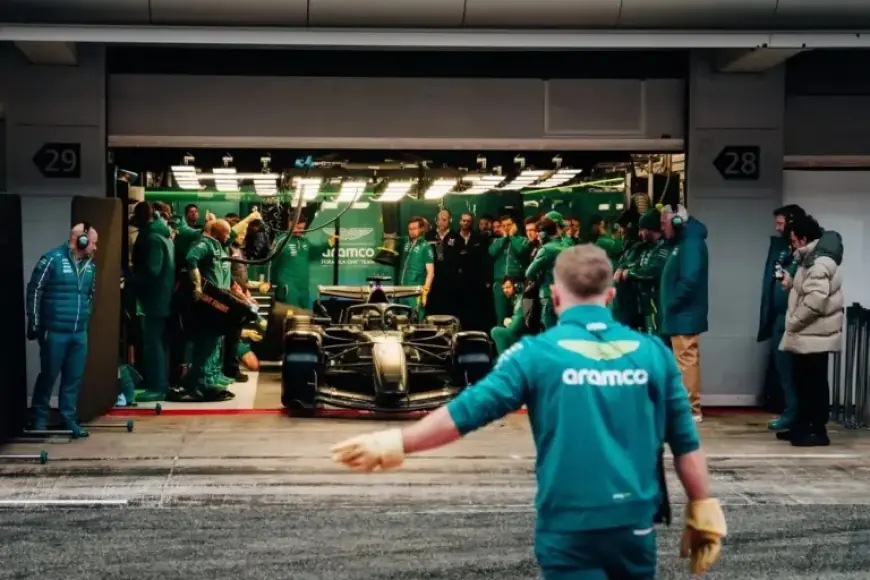
The unveiling of the 2026 Aston Martin design, crafted by Adrian Newey, has captured significant attention in the Formula 1 world. The initial images reveal a strikingly aggressive and innovative vehicle that embodies cutting-edge engineering.
Adrian Newey’s Groundbreaking Design
Newey’s design philosophy is evident in the car’s extreme features. The front and rear suspensions utilize a pushrod setup, highlighting a high and wide base for the front top wishbone and a distinct low configuration for the lower rear wishbone. These components suggest a focus on performance and stability.
Innovative Aerodynamics
The Aston Martin showcases a ‘zero’ sidepod concept that emphasizes minimal width and maximum depth. The sidepods are notably slim, sparking curiosity about the placement of essential components like the radiator.
- Intake Design: The intake is high with a letterbox shape, maximizing airflow efficiency.
- Engine Cover: The engine cover features an extreme undercut, enhancing aerodynamic properties.
- Sidepod Configuration: The extreme double floor design minimizes airflow displacement, potentially reducing drag.
Performance Considerations
The car’s design appears to prioritize low drag, a critical factor under current regulations. Newey, known for his ability to balance performance and regulation constraints, may have fully committed to this approach. This could lead to significant advantages in energy efficiency during races.
Additional Features
The vehicle’s airbox design includes potential rollover bar supports, enhancing safety while optimizing intake openness. Vertical turning vanes near the driver’s head are included to manage airflow effectively, showcasing Newey’s attention to aerodynamic detail.
As excitement builds around the new Aston Martin, fans and analysts eagerly await more comprehensive views of the car. The first glimpse indeed promises a unique and performance-oriented design, reflecting Newey’s signature style and innovative thinking.