
























Microsoft Aims to Restore Trust in Windows

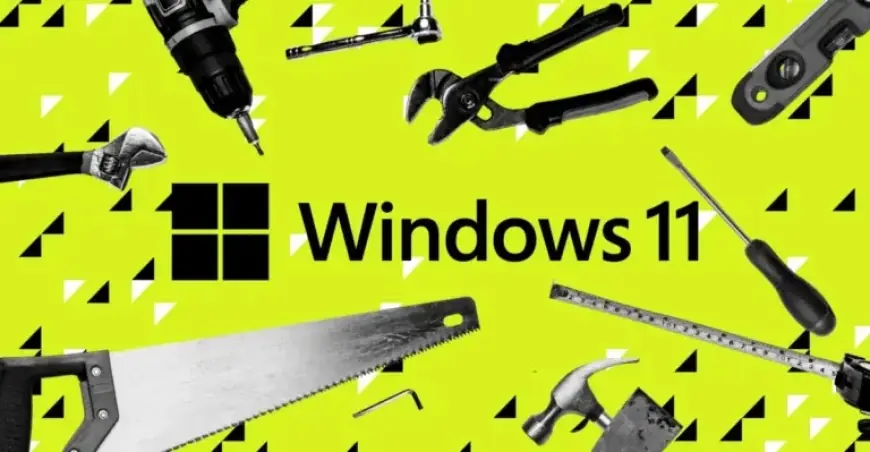
Microsoft is working diligently to restore trust in Windows 11, as users continue to voice concerns over performance and reliability. Despite being the fastest operating system to reach one billion users, Windows 11 has recently faced significant criticism for persistent bugs and intrusive advertising tactics.
Addressing Core Issues in Windows 11
In a bid to improve user experience, Microsoft has initiated a focused effort termed “swarming.” This strategy aims at deploying engineers to resolve ongoing performance and reliability issues within Windows 11. Pavan Davuluri, president of Windows and devices at Microsoft, has acknowledged the feedback from users, emphasizing the need for meaningful improvements across the OS.
- Enhancement of system performance and reliability.
- Fixes for basic features, such as dark mode.
- Modernization of neglected components.
Despite previous improvements in driver stability, challenges remain. Key areas needing attention include File Explorer’s performance and the surprising ability of Linux to run Windows games more efficiently than Windows itself.
Recent Bugs and Fixes
Over the past year, Windows 11 users encountered several frustrations. Microsoft took extended periods to address critical issues, including:
- Remote Desktop disconnections.
- Task Manager duplications.
- Problems with system recovery features.
Moreover, the commencement of 2026 saw Microsoft release a problematic update that led to unexpected shutdowns and a series of out-of-band fixes to address failures in services like OneDrive and Dropbox.
Changing User Experience and Trust Issues
As Windows 11’s user experience continues to falter, Microsoft has faced backlash for promoting its Edge browser and Bing search engine aggressively. Many users report feeling coerced into switching from their default browsers to Microsoft’s offerings, particularly through deceptive pop-ups and forced links within the settings interface.
Additionally, Microsoft’s controversial “Recall” feature, which tracks on-screen activities, has raised privacy concerns among users. This erosion of trust has further impacted adopters’ willingness to embrace AI features integrated into the OS.
Windows 11’s Growth Amid Challenges
Despite facing numerous criticisms, Windows 11 achieved a notable milestone, reaching one billion users faster than Windows 10. Most of this growth can be attributed to the cessation of support for Windows 10, bolstering OEM revenues in the Microsoft ecosystem.
Future Directions
In light of the challenges, Microsoft has reaffirmed its commitment to rebuild trust with its community. This includes addressing daily annoyances users face and recognizing the growing consideration of alternatives like Linux among users.
- Improving UI and user experience in Windows 11.
- Expanding reliable fixes in the upcoming updates.
- Strengthening the Windows Insider program to enhance user feedback.
As the year progresses, it is crucial for Microsoft to translate its promises into actionable results, restoring the confidence of long-time Windows users and attracting new ones.