
























Bruce Springsteen’s new song “Streets of Minneapolis” ignites political firestorm as fans hunt for lyrics and meaning

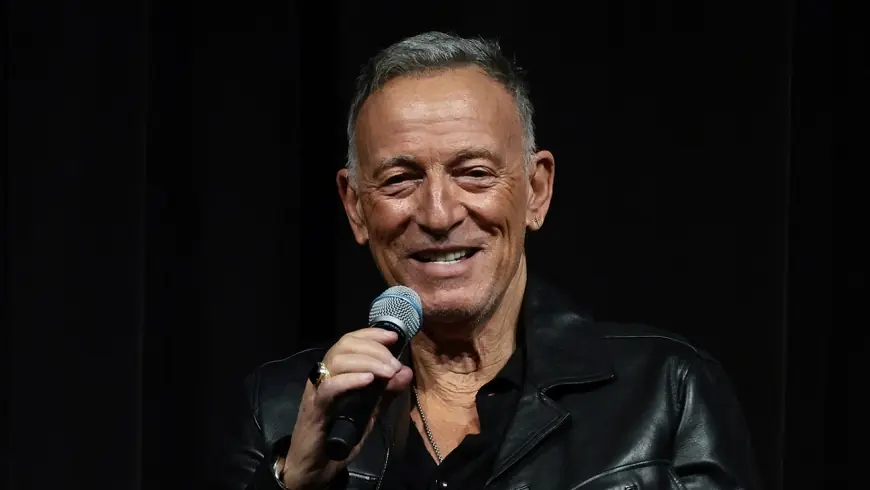
Bruce Springsteen released a new song, Streets of Minneapolis, on January 28, 2026 ET, dropping it with unusual speed and unmistakable intent. The track is a protest song tied directly to unrest and federal immigration enforcement in Minneapolis, and it has immediately sparked a surge of searches for “Streets of Minneapolis lyrics,” “Springsteen new song Minneapolis,” and “Rybakina vs Pegula” style matchup chatter of a different sort: culture, politics, and credibility colliding in real time.
The release matters because it is not a slow-burn album single or a nostalgic vault pull. It is a rapid-response record, framed as a direct reaction to events still unfolding and to the deaths of two people named in the song: Alex Pretti and Renée Good.
What happened: a rapid-response Springsteen release aimed at Minneapolis
In a brief message accompanying the track, Springsteen said he wrote the song on January 24, recorded it on January 27, and released it on January 28, 2026 ET. He dedicated it to the people of Minneapolis, to “innocent immigrant neighbors,” and in memory of Pretti and Good.
That timeline is part of the story. In an era when major releases are typically planned months ahead, Springsteen chose speed over polish and immediacy over marketing runway. Whatever listeners think of the lyrics or production, the point is clear: he wanted the song to land while the public argument is still hot.
Streets of Minneapolis lyrics: what the song says without reproducing the full text
Many listeners are specifically searching for “Streets of Minneapolis lyrics,” but full lyrics are copyrighted, and they are being circulated widely in ways that can drown out context.
What can be said safely about the content is this: the song paints a winter Minneapolis scene, describes clashes with heavily armed federal forces, and centers grief and anger around two named deaths. It also casts the federal enforcement presence as intimidation rather than public safety, using blunt, accusatory language toward top-line leadership and agencies.
A short lyrical fragment that captures the setting without reproducing the work is: “Through the winter’s ice and cold.”
The rest of the track leans into narrative songwriting, stacking street-level imagery, protest chants, and memorial lines designed to be repeated and remembered.
Behind the headline: why Springsteen moved now, and who benefits or loses
Springsteen has spent decades weaving American political tensions into character-driven songs. But Streets of Minneapolis is different in how directly it points at current institutions and how quickly it arrived.
The incentives look like this:
-
Springsteen is reinforcing his role as a moral commentator, not just an entertainer. Speed signals conviction.
-
Activists and organizers gain a cultural amplifier, something that can travel beyond news audiences into everyday playlists and conversations.
-
Political opponents gain a fresh target, because a famous musician making accusations is easier to attack than a complex policy debate.
-
Local leaders and investigators in Minnesota face added pressure, because the song pulls national attention back to questions of accountability and jurisdiction.
This is also a modern attention strategy, whether intended or not. A surprise drop tied to an ongoing controversy pulls listeners into the details and pushes them to search names, places, and timelines.
Context: why Minneapolis, and why this particular kind of protest song
Minneapolis has become a focal point in recent weeks following two high-profile deaths connected to federal immigration enforcement activity in the city in January 2026. The cases are still politically explosive, and investigations and public disputes over evidence, use of force, and oversight have continued to drive protests.
Streets of Minneapolis positions itself as both memorial and indictment. It is built to be quoted at rallies, argued over on talk shows, and used as a shorthand for a much larger conflict about immigration enforcement, civil liberties, and the scope of federal power.
What we still don’t know: the missing pieces that will shape the story
Even with the song out, key questions remain unanswered:
-
Whether Streets of Minneapolis is a standalone release or the start of a larger project
-
Whether Springsteen will perform it live, and where
-
Whether the people and agencies referenced will respond directly
-
Whether the track’s attention changes anything on the ground in Minneapolis, or simply adds heat online
There is also a bigger uncertainty: will listeners treat the song as documentation, symbolism, or provocation? Those interpretations will determine how long it stays in the conversation.
Second-order effects: how one song can change the temperature
A fast, political release from a legacy artist can create ripple effects far beyond music:
-
It can harden polarization, turning even basic fact-finding into a team sport.
-
It can amplify fundraising and organizing, because culture travels faster than policy memos.
-
It can push employers, venues, and public officials into risk management mode, anticipating protests, boycotts, or security concerns.
-
It can reshape media incentives, encouraging more rapid-response cultural products designed to ride breaking events.
What happens next: realistic scenarios and clear triggers
-
The song becomes a durable protest anthem
Trigger: repeated use at demonstrations and sustained sharing beyond the first week. -
The track fades fast but leaves a narrative imprint
Trigger: attention shifts to new events, but the names and imagery remain reference points. -
Political backlash escalates
Trigger: prominent officials or agency leaders respond directly, reframing the song as misinformation or incitement. -
A live performance becomes the defining moment
Trigger: Springsteen plays it at a high-visibility show, creating a single clip that outpaces the studio version. -
The Minneapolis investigations drive renewed focus on the facts
Trigger: major procedural updates, new video evidence debates, or high-level oversight actions that pull the public back from symbolism to specifics.
Streets of Minneapolis matters because it shows how quickly a cultural object can enter a national argument and reshape what people search for, talk about, and demand answers to. Whether it changes minds is uncertain. But it is already changing attention, and in politics, attention is often the first lever that moves everything else.