
























Triple Therapy May Revolutionize Pancreatic Cancer Treatment

Recent research led by Dr. Mariano Barbacid at the National Center for Oncological Research (CNIO) in Spain has shown promising results in the treatment of pancreatic cancer using a triple therapy approach. This innovative combination of three drugs eliminated pancreatic tumors in mouse models completely and sustainably, demonstrating no significant adverse effects.
Breakthrough Results in Pancreatic Cancer Treatment
The findings were presented by the Cris Against Cancer Foundation in Madrid and published in the *Proceedings of the National Academy of Sciences* (PNAS). Notably, the combination therapy kept subjects cancer-free for over 200 days.
Understanding Pancreatic Cancer
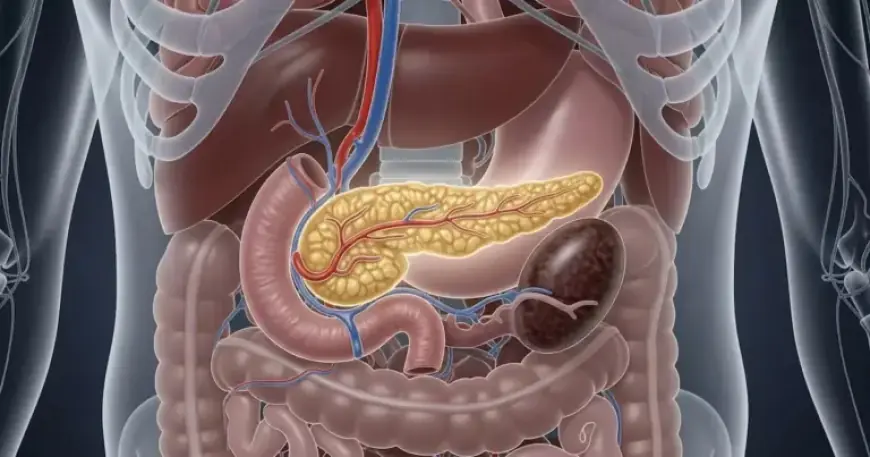
Pancreatic cancer, particularly pancreatic ductal adenocarcinoma, is one of the most aggressive forms of cancer, with a five-year survival rate below 10%. The main challenge lies in the rapid development of resistance to treatments and a lack of significant progress in recent decades.
Triple Therapy Strategy
Barbacid’s approach targets three critical proteins: KRAS, EGFR, and STAT3. KRAS is mutated in approximately 90% of pancreatic cancer cases and plays a vital role in tumor cell proliferation and resistance. By effectively blocking KRAS and its alternative escape pathways, the therapy aims to eradicate tumor cells.
- KRAS: Mutated in 90% of pancreatic cancer cases.
- EGFR: Involved in cell growth and proliferation.
- STAT3: Contributes to tumor cell resistance.
Expert Opinions on the Findings
Oncologist Diego Kaen highlighted the significance of these results, noting that pancreatic cancer has seen minimal advancements in treatment options over the last five years. He emphasized that this breakthrough could herald a new direction in therapy, focusing on the inhibition of KRAS and addressing previously unsolvable escape routes utilized by tumor cells.
Challenges Ahead
While these findings are encouraging, Barbacid cautioned that clinical trials are not yet feasible. There are several regulatory hurdles to navigate, particularly for the combined use of these three inhibitors, which may require appropriate funding and bureaucratic support to proceed.
Future Directions
To further assess the potential of this triple therapy, increasing the number of patient tumor samples and investigating metastases is vital. This will help identify which individuals may benefit the most from these therapies.
Investment and Support for Research
The Cris Against Cancer Foundation has invested over 2 million euros in this project since 2020, promoting translational research that bridges laboratories and hospitals. Lola Manterola, president of the foundation, underscored the need for continued governmental support to expedite regulatory processes for these innovative treatments.
In summary, the recent developments in pancreatic cancer treatment via triple therapy present a significant advancement. This research instills hope for better patient outcomes in what has traditionally been a challenging field of cancer treatment.