Wetting the Shamrock: How St Patrick’s Day Moved From Pub Ritual To Global Parades

Around St Patrick’s Day, the phrase “wetting the shamrock” surfaces with a mix of nostalgia and curiosity. The custom, once central to how the holiday was marked in Ireland, has evolved from an alcohol-fueled pause in Lent into a family-focused day of parades seen across the world.
What ‘Wetting the Shamrock’ Once Meant
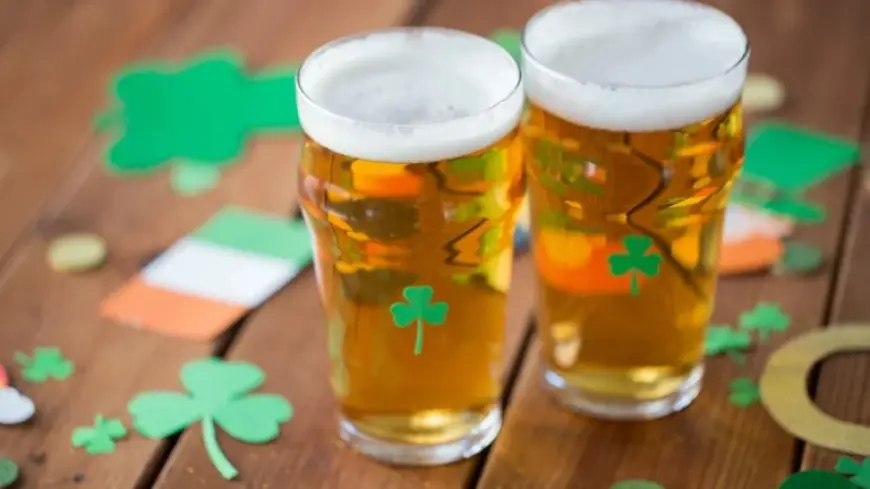
For generations, St Patrick’s Day fell within a period of fasting and self-denial. Many men set aside drink for Lent, only to reclaim it when a special dispensation on the holiday allowed festivities to resume. The result was a once-a-year blowout: “wetting” or even “drowning” the shamrock became a serious undertaking in the pub, often to live music, while younger people capped the day with a dance.
Customs at home were quieter. Women were typically occupied with household routines, marking the day by wearing a green scarf to Mass and pinning a sprig of shamrock to a coat lapel. Children’s badges—homemade or bought—added color to the occasion. Outside the pub and the parish, there was little by way of organized outdoor activity for many years, beyond marquee fixtures at Croke Park where Railway Cup finals, and later all-Ireland club finals, drew major attention.
From Pubs To Parades: The Shamrock Tradition Evolves
The public face of the holiday changed decisively once parades began to spread. Clergy from both Protestant and Catholic traditions, together with temperance advocates, promoted parading as a way to steer celebrants out of pubs and into shared civic space. The first recorded St Patrick’s Day parade took place in New York in 1762, with Irish soldiers in the British Army marching to Irish music. It would be 169 more years before Ireland staged its first parade, in Dublin in 1931.
From there, the parade model took root. What began abroad returned home and is now embraced across Ireland, transforming March celebrations into community-wide events. The day has become a family outing: a chance to welcome people home, ride or build a float, play music, and still, in a nod to tradition, wet the shamrock—though today it is more “wetted” than “drowned. ”
Global Growth, Local Flavor
Parades now define St Patrick’s Day from Boston to Bali and from Cape Cod to Cabo Roig, where Irish communities and those who simply feel Irish gather for high spirits, music, and fun. Across Ireland, even small towns stage their own colorful processions, reflecting how the holiday has broadened beyond pub doors without losing its emblematic touchstones.
The shift tells a simple story: the shamrock endures, but the setting has changed. What was once a single-day relief from Lenten restraint has expanded into a public celebration that blends heritage and community on streets around the world.