Israel Bombs Basij Checkpoints in Tehran; Ali Larijani Not Referenced in Available Reports

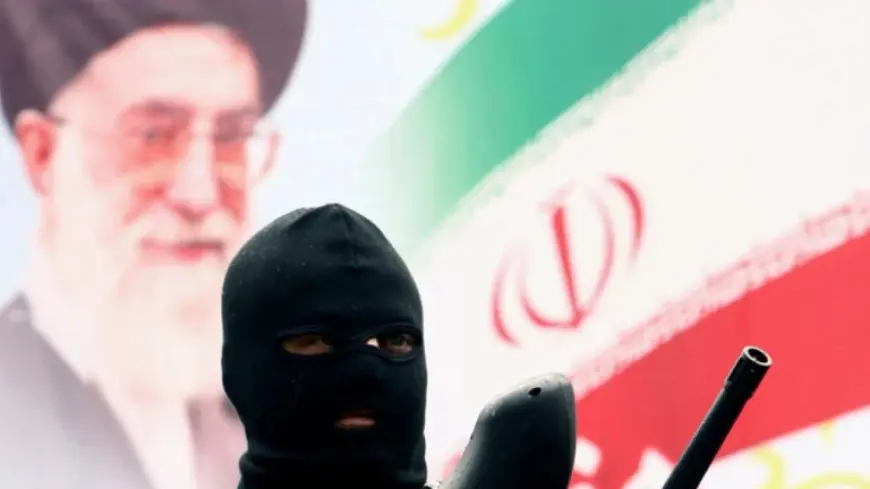
Israeli drone strikes have struck heavily armed Basij checkpoints across Tehran, killing and wounding members and prompting funerals and threats of reprisal, while Ali Larijani is not referenced in the confirmed details available from state and affiliated media.
Ali Larijani Not Mentioned In Confirmed Reporting
The reporting available focuses on strikes against Basij roadblocks, funerals for fighters killed on duty, and wider security responses inside Iran. Ali Larijani does not appear in those detailed accounts, which center on the Basij force, named local commanders and the unfolding sequence of drone attacks and state reactions.
What the Confirmed Details Say About the Strikes
IRGC-affiliated media said deadly drone strikes have hit heavily armed Basij checkpoints since Wednesday night, killing and wounding a number of members. A funeral took place in the province of Semnan for Morteza Darbari, described by IRGC-linked Tasnim as the commander of a local Basij force who was killed while commanding an armed checkpoint in southeastern District 15 of Tehran.
Footage from the funeral of another killed member, Mohammad-Hossein Kouchaki, was aired by state media, showing family members and fellow Basij fighters armed with assault rifles promising revenge. Kouchaki was reported killed in a drone strike in northeastern Tehran; the Israeli army released footage taking responsibility for that attack. The site of that strike was close to where a major fuel depot had been bombed days earlier amid wider attacks hitting Iranian oil reserves.
The state-run Fars news agency said checkpoints have been targeted in multiple other districts of the sprawling city. State forces are responding with what Fars described as “new and creative plans” and by increasing patrols to adapt to the strikes.
Communications Blackout, Social Media Clips and Domestic Response
Videos of the attacks have continued to circulate on social media despite a near-total internet shutdown imposed by the authorities for a 16th day, creating a black market for the few proxy connections that still work. A prior 20-day total internet blackout imposed in response to nationwide protests in January means more than 90 million Iranians have spent more than a third of 2026 without access to the global internet.
Satellite television dishes remain a limited alternative to state media but have been disrupted by jamming signals. Through state outlets, political, military and judicial authorities have been issuing threats of reprisal against dissent, and footage from funerals has shown calls for retaliation from some families and Basij fighters.
The confirmed material paints a picture of a concerted campaign of strikes on Basij checkpoints inside Tehran, immediate efforts by state forces to shore up security and an information environment constrained by extended internet blackouts. How the exchanges will evolve remains tied to further on-the-ground developments and any additional confirmations that emerge from the area.