

























Nipah Virus Detected: Asia Intensifies Airport Screenings After Two Cases Confirmed

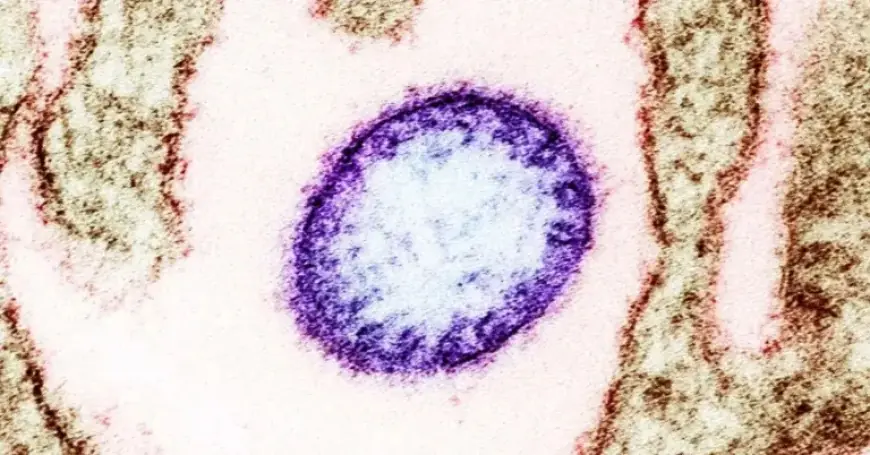
Authorities have heightened airport screenings across Asia following the confirmation of two Nipah virus cases. This outbreak has raised serious health concerns due to the virus’s high mortality rate. Close to 200 individuals linked to the infected patients are currently asymptomatic, but the situation is under close watch.
Nipah Virus: An Overview
The Nipah virus, first identified in Malaysia in 1999, is a zoonotic virus primarily found in bats. It can be transmitted to humans through direct contact with infected animals or indirectly through contaminated food, particularly fruits. Bats can also transmit the virus to pigs, which has historically led to significant agricultural losses during outbreaks.
Health Risks of Nipah Virus Infection
In humans, Nipah virus infection can lead to severe symptoms including:
- Fever
- Headache
- Dizziness
- Vomiting
- Reduced consciousness
- Respiratory distress
Encephalitis is a major complication, with severe cases potentially developing within just 24 hours. Survivors often suffer from neurological damage, and there is currently no specific treatment or vaccine available.
Recent Developments in Nipah Virus Research
Researchers in Queensland have made progress by identifying an antibody that effectively combats both Nipah and Hendra viruses. This antibody is vital in preventing the mutation of the virus, which has historically complicated treatment efforts. However, it has yet to receive approval for clinical use.
Geographical Spread of Nipah Virus
Nipah virus is predominantly found in Southeast Asia, particularly in countries like:
- Malaysia
- Bangladesh
- Singapore
Signs of the virus have also been discovered in Indonesia and even as far as Ghana. The Department of Agriculture is aware of the ongoing risk that migratory fruit bats could introduce the virus to Australia, although the country remains Nipah-free as of now.
In light of these developments, it is crucial to stay informed and vigilant regarding the Nipah virus and its potential implications for global health. For the latest updates, follow Filmogaz.com for breaking news and insights.