

























Is It Time to Upgrade Your Old EV to a New Model?

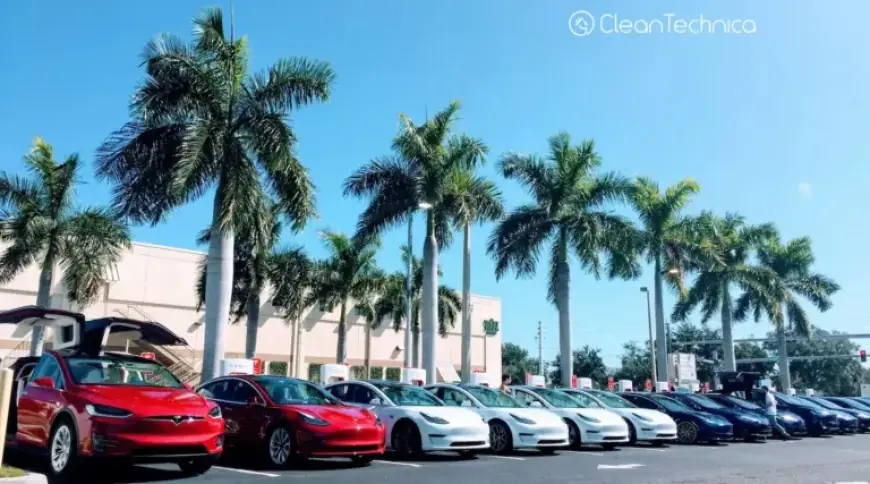
As electric vehicles (EVs) continue to evolve, many drivers are contemplating whether it’s time to upgrade to newer models. With the advancements in technology and design, particularly in Tesla’s lineup, the question of upgrading from an older model to a new one becomes increasingly pertinent.
Evaluating the Upgrade: Old vs. New EV Models
For Tesla owners, upgrading offers several advantages. Among those contemplating a switch is the notable increase in functionality and comfort found in newer models like the Tesla Model Y. This upgrade can lead to various enhancements such as:
- A larger trunk opening for easier access.
- An automatic trunk lid, which is also included in the latest Model 3s.
- Increased headroom, contributing to rider comfort.
- An optional factory receiver for towing, bike racks, and cargo platforms.
For example, a 2019 Model 3 has shown a significant decrease in its range over time. Initially rated for 315 miles, the range has dropped to around 250 miles after years of use. In contrast, the latest models report impressive ranges like:
- The 2026 Premium Model Y boasts an EPA range of 357 miles.
- The new Premium Model 3 achieves up to 363 miles.
- Leading the pack, the Model S all-wheel drive offers an EPA range of 410 miles.
Technological Advances
Significant enhancements in technology can also be a compelling reason to upgrade. While older Model 3s possess Hardware 3 computers capable of 36 trillion operations per second, the newest models are equipped with Hardware 4. This new system improves processing capabilities and includes upgraded camera systems.
New models’ cameras have increased resolution and improved functionality. Reportedly, Full Self Driving (FSD) software is vastly upgraded in version 14, providing better automated driving capabilities. Furthermore, those who have previously purchased FSD with their older Tesla models might find this investment transferable at no cost when upgrading.
Design and Aesthetic Changes
Another reason to consider upgrading is the refreshed design in newer models. Starting with the 2024 Model 3, subtle styling updates have emerged. Notably, the 2026 Model Y features significant design changes, including:
- A solid horizontal light bar that enhances the vehicle’s appearance.
- Modernized front and rear styling that appeals to new buyers.
Compared to older models, these redesigns cater to consumer preferences, with differences in design between standard and premium variations. While the Model Y Standard may lack specific luxury features, it still offers the updated Hardware 4 and camera support for FSD V14, making technological advancements accessible.
Considerations for Current Tesla Owners
When considering an upgrade, current Tesla owners should evaluate several factors:
- The age and condition of their current model (Hardware 2, 3, or 4).
- Compatibility with CCS and Tesla Superchargers.
- Whether increased comfort, functionality, and range justify the upgrade.
With used Teslas becoming widely available at competitive prices, the incentive to switch to a newer model is attractive. Many drivers find the convenience and performance of EVs superior to gasoline vehicles. Less frequent maintenance, such as not needing oil changes, makes EV ownership highly convenient for daily use.
Conclusion
Upgrading from an older EV like the Model 3 to a new Model Y may be worthwhile for many drivers. Enhanced functionality, technological improvements, and modern styling present compelling reasons to consider making the shift to a newer model. For those still on the fence, now might be the perfect time to explore the possibilities that new electric vehicles have to offer.