
























Tesla Halts Model S and X Production by 2026 to Prioritize Robots

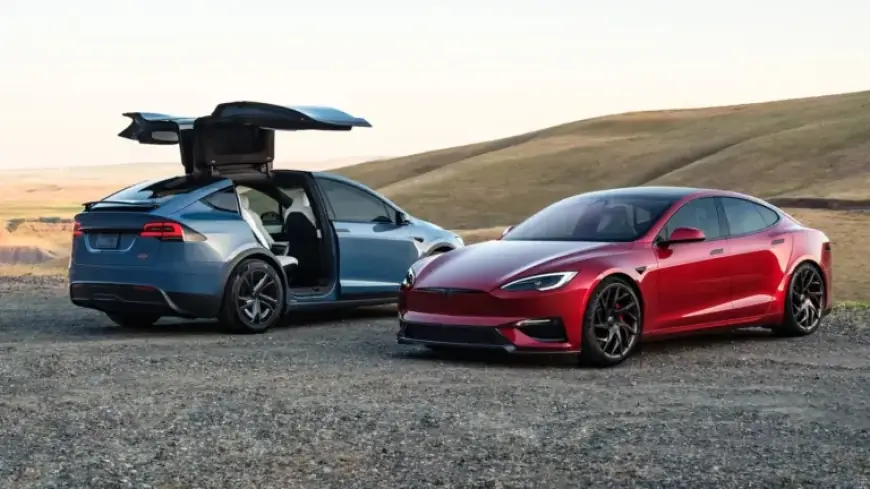
Tesla is shifting its focus significantly by halting the production of its Model S and Model X vehicles by 2026. This decision aligns with the company’s strategy to prioritize the development of advanced robotics.
Tesla’s Production Shift
The announcement indicates a major transformation in Tesla’s manufacturing priorities. The cessation of Model S and Model X production signifies a longer-term vision focused on technology and automation. This strategy is expected to streamline operations and enhance efficiency in Tesla’s manufacturing processes.
Reasons for Halting Production
Several factors contribute to Tesla’s decision:
- Robotic Innovation: Tesla is investing heavily in robotics technology, suggesting an ambition to automate production further.
- Market Demand: A shift in consumer preferences towards other models like the Model 3 and Model Y is driving this change.
- Operational Efficiency: By concentrating on a smaller range of vehicles, Tesla aims to improve logistical efficiency and reduce production complexities.
Implications of the Decision
This production suspension could have wide-ranging implications for Tesla and the automotive industry. By focusing on robotic technology, Tesla aims to position itself as a leader in automotive innovation. The priorities may also signal a trend where traditional car production models are re-evaluated.
Future Outlook
As Tesla redirects its efforts towards developing robotics, the future of electric vehicles (EVs) remains promising. The choice to halt Model S and Model X production might pave the way for new models and technologies. Industry analysts will closely monitor how this transition impacts Tesla’s market share and consumer engagement moving forward.