Iran Strikes Back as Shuts Impact World’s Largest Natural Gas Field

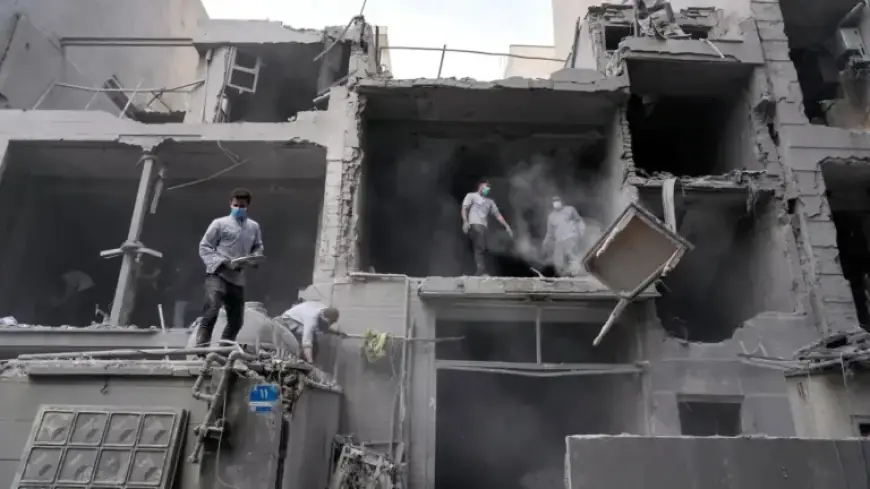
Iran expanded missile and drone strikes against energy targets across the Gulf. The attacks followed Israeli strikes that reportedly killed senior Iranian figures and hit the South Pars gas field. The escalation has placed regional energy infrastructure under severe strain.
Targets and damage to energy infrastructure
Qatar, the United Arab Emirates and Saudi Arabia reported strikes on gas facilities. Qatar Energy said a missile struck the Ras Laffan liquefied natural gas complex and sparked large fires. UAE officials said the Habshan gas facility and Bab field were struck and operations were temporarily shut after interceptions.
The South Pars offshore field, part of the world’s largest natural gas field shared with Qatar, was reported struck in earlier operations. U.S. officials were notified about that plan, though Washington said it did not participate. Iran warned of severe consequences after the South Pars attack.
Diplomatic fallout in the Gulf
Gulf governments condemned the strikes as a dangerous escalation. Qatar ordered Iranian embassy staff to leave within 24 hours. Saudi Arabia’s top diplomat said the attacks shattered remaining trust with Tehran.
The strikes drew stern warnings from the United States. President Donald Trump posted that Israel would not attack South Pars again. He also warned that further damage to Qatar’s energy infrastructure could elicit a large U.S. response, though he said he did not want to authorize massive destruction.
Regional military actions and casualties
Israel has said it killed Iran’s intelligence minister, Esmail Khatib, and previously reported strikes that killed senior security figures. Iran responded with missile launches aimed at Israel. The Revolutionary Guard said it used multiple-warhead missiles to better evade defenses.
An Iranian missile struck the occupied West Bank town of Beit Awa. Palestinian emergency services reported at least three deaths and several injuries there. Across the conflict, Iranian officials reported more than 1,300 dead, and Lebanon said nearly one million people were displaced.
Maritime incidents and shipping risks
Attacks at sea have hit more than 20 vessels, according to maritime monitors. A ship was set ablaze near Khor Fakkan off the UAE coast after being struck by an unknown projectile. Iran has sought to pressure shipping through the Strait of Hormuz, though it insists the waterway remains open.
Economic impact and energy markets
Global oil prices jumped amid the attacks. Benchmark crude rose roughly 5 percent and traded above $108 per barrel. The strikes and disruptions to gas production have intensified concerns about the broader impact on energy supplies.
To ease market pressure, the U.S. Treasury relaxed some sanctions on Venezuela. The move allows U.S. firms to resume certain dealings with Caracas’s state oil company. Market watchers said the change aimed to add supply as Gulf output faced risks.
Outlook
Gulf states have largely refrained from direct offensive action against Iran. Leaders face pressure to defend energy assets while avoiding a wider war. The situation remains volatile and could alter regional energy flows and security calculations.