Malorie Blackman Explores Noughts & Crosses’ Timeless Relevance After 25 Years

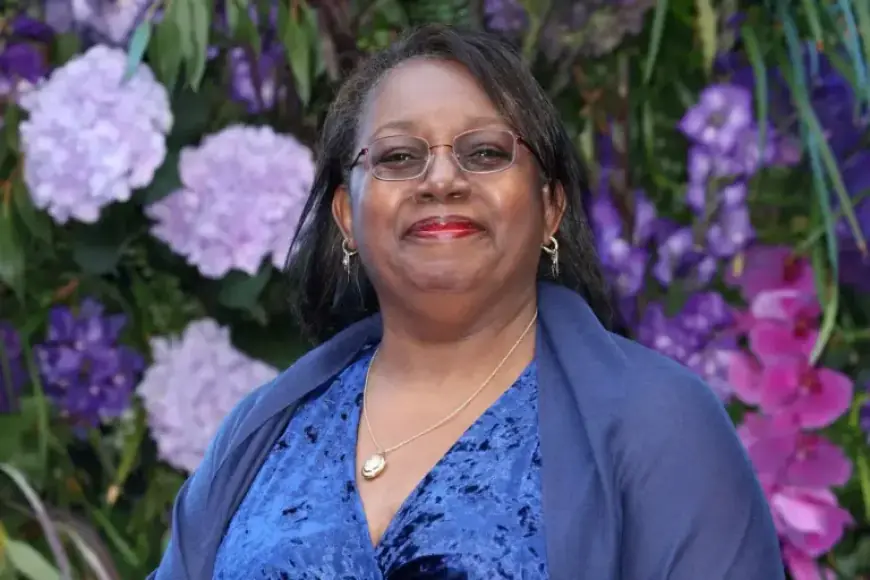
Malorie Blackman says her 2001 novel still speaks to modern Britain. Malorie Blackman Explores Noughts & Crosses’ Timeless Relevance After 25 Years, she told Filmogaz.com.
Plot and premise
Noughts & Crosses imagines an inverted Britain. Black people form the dominant “Crosses” class. A white underclass called “Noughts” faces systemic prejudice.
The story follows Sephy and Callum. Their interracial relationship must remain secret amid social tensions.
Series and adaptations
The 2001 book launched a bestselling six-book series. It was later staged by the Royal Shakespeare Company.
A television adaptation aired on the BBC in 2020. The series brought the story to a new audience.
Blackman’s reflections
Blackman told Filmogaz.com she wrote the novel to examine racism and its consequences. She argued that those themes remain relevant today.
She said contemporary attacks on religious sites and acts of violence made the book’s concerns feel familiar. She also warned that public debate can harden into permanent enmity, making compromise rare.
Recent incidents cited
Last October, three people died after a man drove into worshippers outside a Manchester synagogue, then stabbed others. The attacker was among the dead.
That same month a mosque in East Sussex suffered major fire damage. Police treated the incident as suspected arson and a hate crime.
Honours and career
Blackman has written more than 70 books. She served as Children’s Laureate in 2013.
She received an OBE in 2008 for services to children’s literature. In 2020 she became the first children’s author to win the PEN Pinter Prize.
Advocacy for diversity in literature
Blackman has long campaigned for greater representation in publishing. She argues children should see themselves reflected in school reading lists.
In 2024 she backed the Lit in Colour campaign. She urged the national curriculum to include a broader, more inclusive range of texts.
Her work continues to prompt discussion about race, education, and culture. The novel’s influence endures across books, theatre, and television.