Baltimore City Public Schools shift to virtual learning as Harford County Public Schools extend closures after Maryland storm

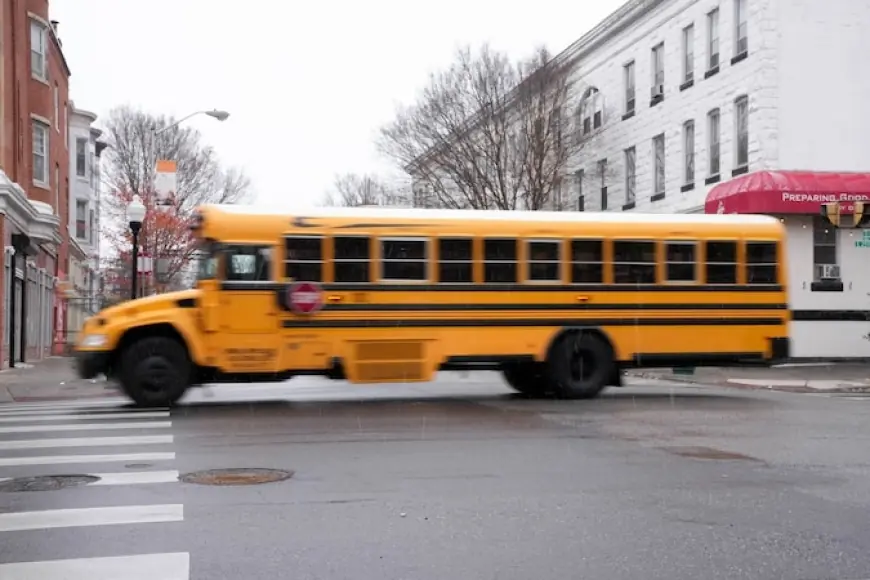
Baltimore City Public Schools will transition to virtual learning on Thursday, January 29, 2026, as lingering snow and ice keep travel conditions uneven across the region. Harford County Public Schools, meanwhile, will remain closed Thursday and Friday, January 29–30, with all after-school and evening activities canceled as crews continue clearing bus lots, sidewalks, and neighborhood routes.
The decisions come after a major weekend snowstorm followed by frigid temperatures that have kept melt-off limited and refreezing common, especially on side streets and at bus stops. Further specifics were not immediately available on when every school building in each system will be fully accessible for a normal return.
Virtual learning in Baltimore City as in-person readiness remains uneven
Baltimore City Public Schools said Thursday’s instruction will take place remotely, while central office functions remain open. The shift reflects both the physical reality on the ground and the district’s calendar structure, which relies on a limited number of traditional snow days before moving into virtual instruction to preserve the required number of instructional days.
City officials and school leaders have emphasized that reopening is not just about primary roads. It also depends on whether students can safely reach bus stops, whether sidewalks around schools are passable, and whether campuses and parking areas have been fully cleared and treated.
Some specifics have not been publicly clarified about which sites were closest to reopening first, since conditions can vary block by block and depend on local plowing and salting progress.
Harford County extends closures through Friday amid cleanup and safety concerns
Harford County Public Schools will keep schools and offices closed Thursday and Friday, January 29–30, and the district has asked families to plan ahead for safe travel once buildings reopen. Officials have indicated they expect schools to be open and accessible next week, but said the immediate priority is clearing remaining ice and ensuring safe access to schools and bus routes.
The closure affects more than classroom instruction. It also halts in-person services, sports, and evening events that rely on safe building access and predictable transportation. Essential personnel have been told to await further direction, a common step when systems are balancing snow removal needs with dangerous wind chills and ice risk.
How districts decide closures and when they pivot to virtual learning
School closure decisions are typically made in a tight window using operational checks rather than broad weather headlines. Transportation teams review road conditions, bus route viability, visibility, and the safety of loading areas. Facilities crews assess whether entrances, walkways, and parking lots are cleared and treated, and whether buildings can be staffed safely.
Virtual learning becomes the preferred option when districts face a prolonged period of unsafe travel but still need to maintain instructional time. Many systems now build a limited set of “traditional snow days” into their calendars; once those are used, additional closures often trigger remote instruction so students can keep learning while crews catch up on cleanup and site preparation. In practice, the pivot reduces the need to extend the school year into summer makeup days, but it also depends on reliable internet access, device availability, and clear schedules for families.
Impact on families, staff, and students across both systems
The disruptions land differently across the community. Families and caregivers must quickly adjust childcare and work schedules, especially when closures extend for multiple days. Students can lose momentum when routines shift repeatedly, and younger children in particular may need extra support to stay engaged during virtual lessons.
School employees and operational staff face a different burden. Custodians, facilities teams, and transportation workers are central to reopening safely, and extended ice conditions can slow progress even when plows have already passed. Educators also shoulder the task of moving instruction online on short notice, often while managing their own travel and household constraints.
The effects ripple into local businesses as well, especially those that depend on school-day foot traffic or parents’ commuting patterns. When closures pile up, it can also delay services such as meal distribution and student support programs that are easier to deliver in person.
What happens next and the next milestone to watch
For Baltimore City Public Schools, the next concrete milestone is the district’s next operational update on whether students return in person on Friday, January 30, 2026, or continue with remote instruction while cleanup continues.
For Harford County Public Schools, the next milestone is the planned end of the closure on Friday, January 30, followed by the expected reopening decision for Monday, February 2, 2026, contingent on route conditions, campus readiness, and continued below-freezing temperatures.