
























FOMC Meeting Today: Fed Holds Rates Steady at 3.50%–3.75% as Officials Signal Patience on the Next Move

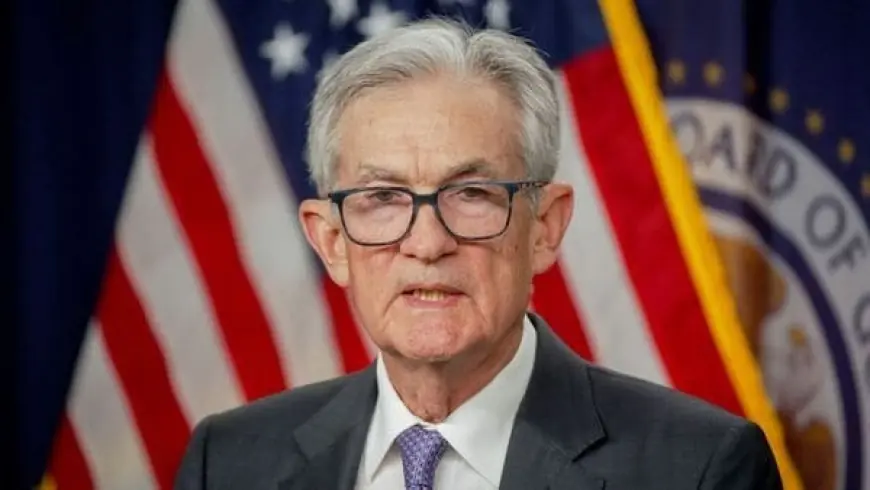
The Federal Reserve delivered its first rate decision of 2026 on Wednesday, January 28, keeping the target range for the federal funds rate unchanged at 3.50% to 3.75% after a series of cuts late last year. The policy statement landed at 2:00 p.m. ET, with Chair Jerome Powell scheduled to explain the decision at a 2:30 p.m. ET press conference.
The vote was not unanimous. The decision passed 10–2, with two officials dissenting in favor of an immediate quarter-point cut, a split that highlights an internal debate over how quickly the Fed should keep easing as inflation remains above target and the labor market shows mixed signals.
What the Fed decided in the FOMC meeting
The Fed’s core message was “hold, then watch.” In its statement, the central bank described economic activity as expanding at a solid pace while noting that job gains have remained low and the unemployment rate has shown signs of stabilizing. Inflation, it said, remains somewhat elevated, and uncertainty around the outlook remains elevated as well.
Beyond the headline rate, the Fed also published the operational settings that help keep market rates aligned with its target:
-
Interest paid on reserve balances will be maintained at 3.65%, effective Thursday, January 29.
-
Standing overnight repurchase operations remain set at 3.75%.
-
Standing overnight reverse repurchase operations remain set at 3.50%, with a per-counterparty limit of 160 billion dollars per day.
-
The Fed reiterated it will manage its securities holdings and purchases to maintain an ample level of reserves, emphasizing short-maturity Treasury purchases as needed.
Behind the headline: why the Fed paused now
Context matters. The Fed entered 2026 after cutting rates three times in the closing months of 2025, trying to keep the economy on track as job growth cooled. Today’s pause is the central bank’s way of rebalancing risk: it wants to avoid cutting so quickly that inflation re-accelerates, while also avoiding a stance so restrictive that it cracks the labor market.
The incentives are pulling in opposite directions:
-
Inflation risk: If price pressures linger—especially in services—rapid cuts can look premature.
-
Jobs risk: If hiring continues to slow and unemployment rises, a slower pace of cuts can look like a policy mistake in hindsight.
-
Credibility risk: Having started easing, the Fed needs to show it isn’t on autopilot. A pause signals that each move is conditional on data.
The two dissents sharpen the story: some policymakers see enough softening to justify another cut now, while the majority wants more confirmation before moving again.
The political backdrop and the independence test
This decision arrives amid unusually loud public pressure for lower rates from the White House, raising the stakes around central bank independence and communications. Powell’s current term as chair ends on May 15, 2026, which adds a countdown clock to every meeting and every press conference answer. Even without any formal change in policy, the perception of political influence can move markets by changing expectations about the Fed’s reaction function.
That makes today’s “steady” decision a signal in two directions: to households and businesses about borrowing costs, and to investors about whether the Fed will keep following economic conditions rather than political demands.
What we still don’t know
The most important unknowns aren’t in the statement—they’re in what comes next:
-
How the Fed interprets “somewhat elevated” inflation: Is it sticky enough to delay cuts for months, or trending down fast enough to resume soon?
-
Whether “low” job gains reflect a temporary lull or a deeper cooling that will show up in unemployment.
-
How unified the committee really is: Are the dissents the beginning of a bloc, or a one-meeting disagreement?
-
How Powell frames the next steps at 2:30 p.m. ET: Markets often react more to the press conference nuance than to the rate decision itself.
What happens next: scenarios and triggers
The next scheduled FOMC meeting ends Wednesday, March 18, 2026, with a 2:00 p.m. ET decision and a 2:30 p.m. ET press conference. That meeting is also expected to bring fresh projections, which can reset expectations quickly. Here are realistic paths from here:
-
Cuts resume in March
Trigger: clear evidence inflation is cooling while labor data weakens further. -
A longer pause into late spring or summer
Trigger: inflation stays above target and growth remains “solid,” letting the Fed wait. -
A cut later in 2026, but slower than markets hope
Trigger: mixed data pushes the Fed toward cautious, intermittent easing rather than a steady pace. -
Renewed volatility around the chair transition
Trigger: uncertainty about the next leadership choice shifts expectations about how dovish or hawkish the Fed will be.
Why the Fed decision matters for everyday borrowers
A steady policy rate doesn’t mean borrowing costs stand still, but it does set the tone. For consumers and businesses, the practical implications are straightforward:
-
Variable-rate debt tends to respond fastest when the Fed changes course; today’s hold keeps that pressure from easing further—for now.
-
Fixed-rate loans depend heavily on expectations; a patient Fed can keep longer-term rates elevated if markets believe cuts will be delayed.
-
Businesses planning hiring and investment are watching for whether the Fed is done, merely pausing, or preparing to resume cuts once the data cooperates.
The bottom line from today’s Fed meeting: the easing cycle is no longer a straight line. The Fed is telling markets it will wait for proof—on inflation and on jobs—before making its next move.