


















![Couple Style at the 2026 Oscars: Paul Mescal and Gracie Abrams and More [PHOTOS]](https://www.filmogaz.com/uploads/images/202603/image_430x256_69b907928c3c7.webp)






GM CEO Warns About Influx of Affordable Chinese EVs in North America

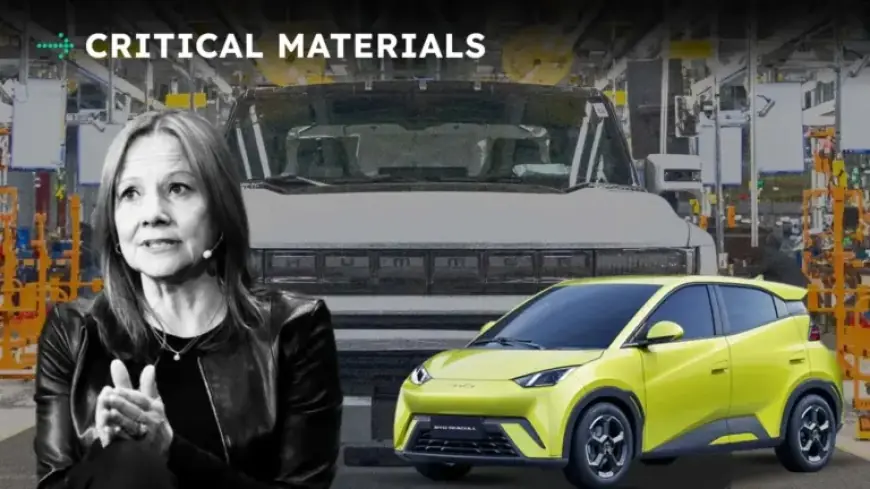
General Motors CEO Mary Barra has raised concerns over Canada’s decision to import affordable Chinese electric vehicles (EVs) without imposing heavy tariffs. This development could significantly impact the North American auto industry, which heavily relies on manufacturing in Canada.
Impact of Canada’s EV Policy
Recently, Canada announced a plan to allow the import of up to 49,000 Chinese-made EVs annually. This change reduces tariffs from 100% to approximately 6.1%. While this may seem advantageous for Canadian consumers, it poses risks to established automotive manufacturers in North America.
Concerns from Industry Leaders
- Barra stated that the move could undermine job security and national interests.
- She expressed uncertainty about why Canada would favor Chinese investments over local ones.
- The import deal was characterized by Barra as a “slippery slope” that could threaten North American manufacturing.
Market Dynamics and Competitive Landscape
The influx of affordable EVs aligns with Canadian Prime Minister Mark Carney’s pricing goals, which aim to make EVs more accessible. By the end of the decade, at least half of imported EVs must be priced at or below 35,000 Canadian dollars, approximately $26,000.
Broader Implications for U.S. Automakers
Barra’s warning comes at a vulnerable time for GM and other U.S. auto manufacturers, as they face increasing competition from foreign automakers, particularly from China. Critics argue that GM’s own strategic choices have undermined its position in the market.
The Road Ahead for Electric Vehicles
The automotive industry is at a pivotal moment, influenced by global market trends and international competition. With Canada allowing more Chinese vehicles, the dynamics of EV production and sales are set to change significantly.
As these developments unfold, U.S. manufacturers may need to rethink their strategies to remain competitive and safeguard jobs and investments in Canada and the U.S.