

























Manitoba Trades Institute Shuts Doors as International Student Enrolment Declines

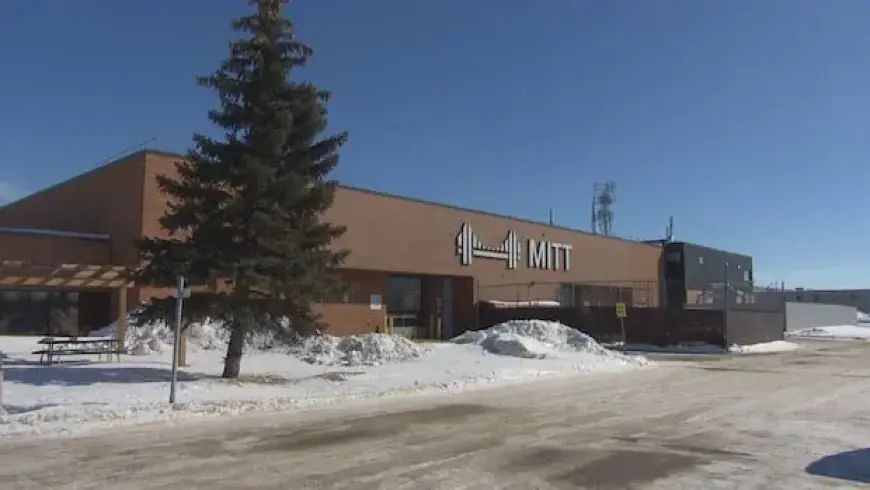
The Manitoba Institute of Trades and Technology (MITT) will cease operations in the coming year due to a significant decrease in international student enrolment. The Winnipeg-based institution announced its closure, attributing it to a federal immigration cap that resulted in more than a 55% decline in international enrolment, making its current financial structure untenable.
Impact of Reduced Enrolment on Education
The announcement was made through a memo on MITT’s official website, indicating that the provincial government decided to close the institute. As part of this transition, some programs will be transferred to Red River College Polytechnic (RRC Polytech). MITT aims to collaborate with the province and RRC Polytech to ensure that students can complete their education across various levels.
Programs Offered at MITT
MITT provided training in a variety of in-demand skills, including:
- Early Childhood Education
- Welding
- Carpentry
- Cybersecurity
- English language courses
- High school education for Grades 11 and 12
- Adult learning initiatives
Despite having total enrolment numbers reaching 4,663 across all programs, the details regarding the specific percentage of international students were not disclosed in their 2024-25 annual report.
Reactions from Educational Leaders
Fred Meier, president of RRC Polytech, expressed his concerns about the adverse effects of the federal cap on international student enrolment, noting that it fails to consider Manitoba’s unique educational needs. In his memo to staff, he acknowledged the overlap between programs offered at the two institutions and stated that a review process would help determine which MITT programs will continue.
Meier emphasized the challenging situation for MITT staff, clarifying that the closure does not reflect their dedication or efforts.
Future of Education in Manitoba
The closure of MITT marks a significant shift in Manitoba’s educational landscape, especially as it relates to international enrolment. As the province grapples with these changes, stakeholders will need to strategize to accommodate the educational needs of both local and international students.