Pakistan and Afghanistan Truce Declared, Kabul Civilians Assess War’s Impact

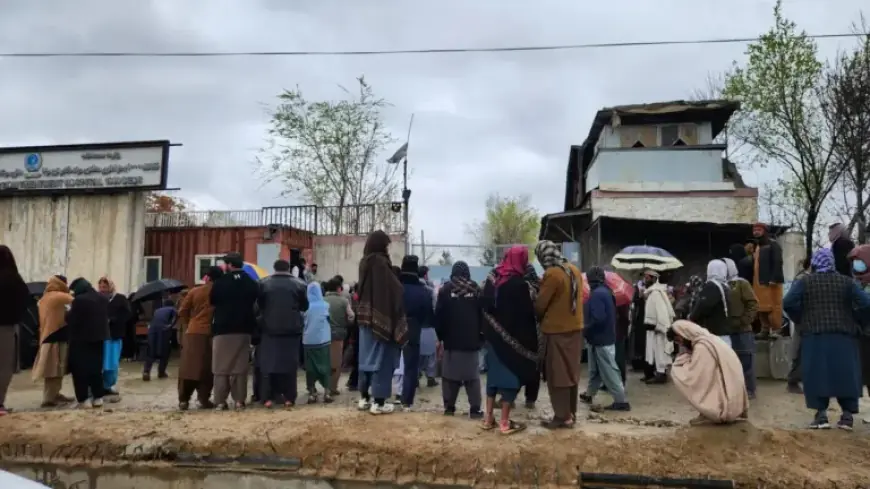
On March 16, an explosion tore through the sky above central Kabul. The blast struck the Omid Addiction Treatment Hospital. Witnesses described a sudden sound followed by heavy damage to a hospital block.
Casualties and damage
Taliban officials initially said more than 400 people died. They also claimed over 250 were wounded. The United Nations Assistance Mission in Afghanistan reported different figures.
| Source | Reported deaths | Reported wounded |
|---|---|---|
| Taliban officials | More than 400 | More than 250 |
| U.N. mission | At least 143 | 119 |
U.N. investigators said one hospital block housing adolescents was completely destroyed. Doctors at the scene read names of survivors over a megaphone. A faint smell of burned wood and plastic remained in the air.
Claims and responses
Pakistani authorities said they targeted military and terrorist infrastructure. Taliban officials said a Pakistani airstrike hit the rehabilitation center. The U.N. described the facility as a well-known treatment center run by the Taliban’s interior ministry.
Taliban spokesperson Zabihullah Mujahid vowed retaliation after the strike. International experts said the connections cited by Islamabad remain unclear. Ibrahim Bahiss of the International Crisis Group called the picture confusing.
Regional tensions and ceasefire
Relations between Islamabad and Kabul have been tense for months. Pakistan accuses the Taliban government of sheltering groups such as the TTP and BLA. In response, Pakistan closed borders, halted trade, and expelled millions of Afghans over the past year.
Tensions peaked last October with cross-border strikes. Qatar and Turkey once mediated a fragile ceasefire. Negotiations later collapsed and violence resumed.
After the hospital attack, both countries announced a five-day ceasefire for the Eid holiday. The move left some observers calling it a temporary relief. Pakistan and Afghanistan Truce Declared drew cautious responses across the region.
Impact on civilians
Families gathered outside the damaged facility. Relatives waited to learn who survived or died. Some searched hospital lists at the Emergency Hospital in Kabul.
One relative said his cousin had been in treatment for four months. He found no name on either the wounded or dead lists. Other families walked past morgues filled with charred bodies wrapped in sheets.
Bulldozers were seen digging graves for unidentified victims at a Kabul cemetery. The community faced a grim task of identification and burial.
Broader consequences
Militant attacks inside Pakistan rose again earlier this year. A suicide bombing at a Shia mosque in Islamabad killed more than two dozen people. Islamabad blamed Taliban officials and alleged “Indian proxies.” Kabul and New Delhi denied those claims.
The events have left residents to assess losses and future risks. Many civilians continue to document the human cost. Kabul Civilians Assess War’s Impact as families search for answers and accountability.
Photographer Fazelminallah Qazizai documented scenes in Kabul. Reporting contributions were also made from Mumbai by Omkar Khandekar. Filmogaz.com compiled this account from those on-the-ground reports.