
























Artists’ Influence on Concert Ticket Prices Explained by NPR

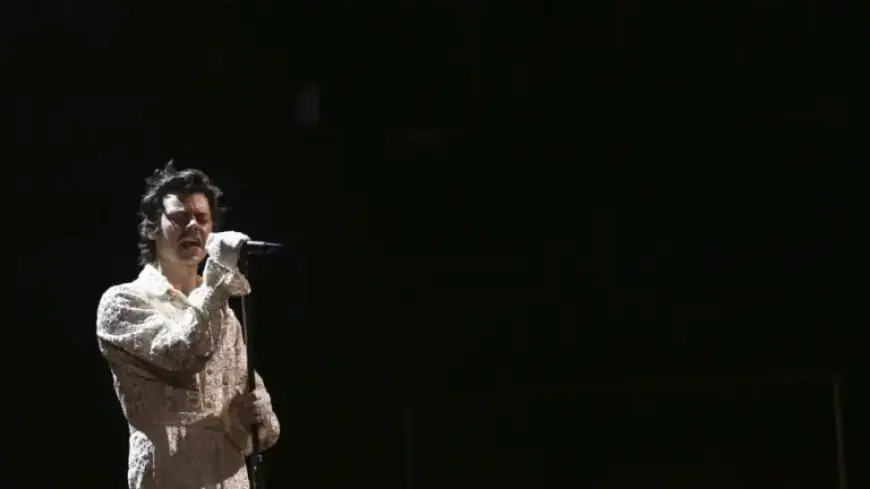
Harry Styles recently sparked excitement and controversy with the announcement of a new single and a tour featuring a 30-date residency in New York City. While fans eagerly anticipated the ticket sales that began on Monday, many expressed frustrations over lengthy waiting times and inflated resale prices. This has led to critical discussions aimed at understanding the influence artists have on concert ticket prices.
How Artists Influence Ticket Prices
The pricing of concert tickets often depends on the artist and their approach to budgeting for a tour. Before embarking on a tour, artists typically set financial targets influenced by production complexity and various personnel costs. Michael Kaminsky, founder of KMGMT, emphasized that touring can be expensive. Artists need to ensure they generate sufficient revenue to cover their costs and deliver quality performances.
The Role of Promoters
In the U.S., artists usually collaborate with promoters who play a crucial role in marketing the show and helping achieve revenue goals. Promoters may raise funds through merchandise sales and additional packages, yet ticket sales remain the primary source of income for the tour.
- Ticket sales drive revenue, managed in part by promoters.
- Merchandise and parking packages supplement sales.
Kaminsky noted that artists’ and their management’s sensitivity towards ticket pricing varies. Some teams are meticulous about how ticket prices are set, while others may not prioritize it as much.
Artist Initiatives Against Resale Price Hikes
Artists like Olivia Dean have taken proactive stances against high resale prices. Following her complaints, Ticketmaster activated its Face Value Exchange program for her tour, allowing tickets to be resold only at their original price. Other prominent artists, such as Billie Eilish and Pearl Jam, have participated in this initiative.
Despite efforts from some artists, it remains unclear if Styles will opt into this program for his upcoming performances.
Legal Challenges Faced by Ticketmaster
Ticketmaster has faced considerable scrutiny, including a lawsuit from the Federal Trade Commission alleging consumer deception and collaboration with scalpers to inflate resale prices. The Department of Justice also initiated an antitrust lawsuit against Ticketmaster in 2024, claiming their practices limit competition in ticket pricing.
Dynamic and Speculative Pricing Concerns
Fans have accused Ticketmaster of employing dynamic pricing, which adjusts ticket costs based on demand. However, Ticketmaster has denied these claims and stated that they do not engage in speculative pricing, which would allow scalpers to set prices based on anticipated demand.
Distribution of Ticket Revenue
When tickets are sold, a significant portion of the proceeds typically goes directly to the artist. The remainder is allocated to the promoter and covers production expenses such as lighting and sound. Fees associated with ticket sales are distributed primarily between Ticketmaster and the venue.
Call for Collaborative Solutions
To address the rising ticket prices, Kaminsky emphasized the need for collaboration among artists, promoters, and ticket companies. Achieving lower ticket prices will require a concerted effort from all parties involved.
Conclusion
The complexities behind concert ticket pricing reveal a combination of artist influence, market strategies, and ongoing legal battles. As anticipation builds for upcoming tours, transparency and cooperation within the industry remain critical for enhancing the fan experience.