

























Insights from My #MeToo Experience

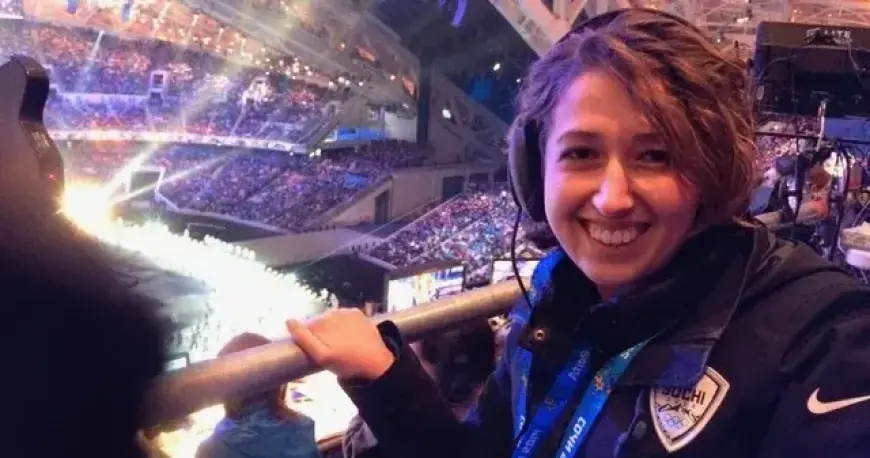
Brooke Nevils, an NBC talent assistant, opens up about her harrowing experience during the 2014 Sochi Olympics. Her story sheds light on the complexities of sexual assault perceptions and the stigma surrounding it. It emphasizes the challenges many victims face when recognizing and reporting such incidents, especially when the perpetrator holds significant power.
Background of the Incident
In February 2014, Nevils celebrated Meredith Vieira’s historic achievement as the first woman to solo-anchor prime-time Olympic coverage. Following a celebratory evening, she encountered Matt Lauer, NBC’s prominent anchor, leading to a traumatic experience that would haunt her for years.
The Encounter in Sochi
Despite being intoxicated, Nevils was unsettled by Lauer’s advances. Initially believing it was a misunderstanding, she later realized the gravity of the incident. The aftermath was marked by physical pain and emotional turmoil, complicating her response. As a junior employee, she felt powerless, surrounded by colleagues whose careers depended on Lauer’s success.
- Date of Incident: February 2014
- Location: Sochi, Russia
- Perpetrator: Matt Lauer, NBC’s anchor
- Victim: Brooke Nevils, NBC talent assistant
The Psychological Toll
Following the incident, Nevils struggled to navigate her career and mental health. The expectations of her workplace environment led her to minimize the experience. Shame and confusion prevented her from seeking help, as she continued to interact with Lauer and maintain the facade of normalcy.
Subsequent Encounters
In the months following the Sochi incident, Nevils experienced several more inappropriate interactions with Lauer. Each time, she attempted to convince herself that her responses were justified and that she could regain control over the situation. This cycle further entrenched her feelings of shame and disempowerment.
Breaking the Silence
With the emergence of the #MeToo movement in 2017, Nevils reached a turning point. Reports began surfacing about Lauer’s misconduct, prompting her to reassess her own experiences. The shame that had once silenced her transformed into motivation to speak out.
Reporting the Incident
After careful consideration, Nevils reported Lauer’s behavior to NBC. Within a day, Lauer was fired, marking a significant moment in the larger conversation around sexual harassment in the workplace. However, the aftermath was tumultuous, with intense media scrutiny and personal challenges that followed her disclosure.
The Aftermath and Healing Journey
In the years following her report, Nevils faced significant emotional turmoil. Struggling with feelings of guilt and shame, she ultimately sought therapy and began writing about her experiences. This process helped her rebuild her life and understand the nuances of trauma and resilience.
Current Outlook
Now a published author, Nevils continues to advocate for awareness around sexual assault and the complexities of victim behavior. Her story serves as a crucial reminder of the importance of listening to survivors and understanding the challenges they face.
As she reflects on her past, Nevils emphasizes that what happens to victims is often misunderstood. The #MeToo movement, while transformative, still leaves many questions unanswered, particularly regarding the perceptions and realities of those who endure such experiences.
By sharing her journey, Brooke Nevils aims to empower other survivors and challenge societal perceptions surrounding sexual assault and victimhood. Her narrative is a testament to resilience and the urgent need for cultural change.