Iran Increases Ship Traffic Through Strait of Hormuz, Data Reveals

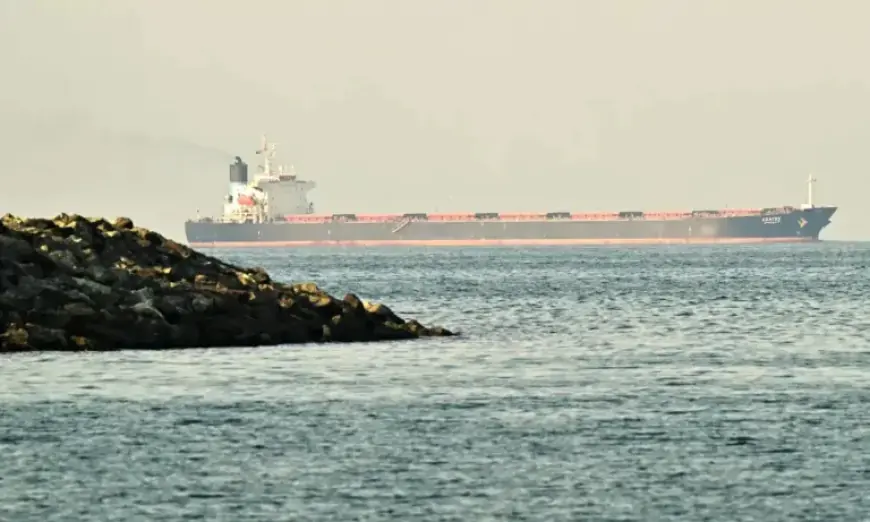
Filmogaz.com | 18 March 2026 — Ship-tracking data shows a recent uptick in non-Iranian vessel transits through the Strait of Hormuz. The number of detected passages nearly doubled over a short span.
Tracking data and analyst observations
Maritime intelligence firm Windward detected eight non-Iranian vessels in the strait on Monday. The count excluded ships flying the Iranian flag.
MarineTraffic logged nine transits across Sunday and Monday. That compared with five passages during the previous two days.
Windward analyst Michelle Wiese Bockmann reported more ships are rerouting through Iran’s territorial waters. She said Tehran appears to be allowing permission-based transits to friendly states.
Who is moving and why
Most remaining daily transits are in the single digits. They are largely vessels flagged to China, India and Pakistan.
Western-affiliated ships generally avoid Iranian waters, analysts said. Vessels from friendly countries are more likely to accept permission-based routing.
Security signals and official statements
Traffic through the critical waterway has plunged since the outbreak of the United States and Israel’s war on Iran. Overall passage volume fell by more than 95 percent from previous levels.
Iranian foreign minister Abbas Araghchi said the strait remains open but restricted to perceived enemies. An Islamic Revolutionary Guard Corps spokesperson earlier warned that any ship attempting passage risked being set ablaze.
Economic and military consequences
The severe reduction in shipping pushed oil prices above $100 per barrel. That represents an increase of more than 40 percent compared with levels before the conflict began.
The US president said Washington could act alone to restore shipping lanes and criticized allies for not joining a proposed international naval coalition. He made the remarks while meeting Ireland’s prime minister at the Oval Office.
Late on Tuesday, US forces struck hardened missile sites near the strait with bunker-buster munitions. US Central Command said those positions housed anti-ship cruise missiles that posed a risk to international shipping, according to a post on X.
Context note
The Strait of Hormuz normally carries about one-fifth of the world’s seaborne oil. Recent moves and threats have sharply reduced that flow, forcing route changes and raising global economic concerns.
Data reveals an increase in ship traffic through the Strait of Hormuz as Iran allows limited, permissioned transits. Monitoring services will likely continue to track any further changes.