























Bomb Cyclone Explained: What “Bombogenesis” Means, How Nor’easters Form, and Why the Gulf Coast Can Matter for Next Weekend’s Snow

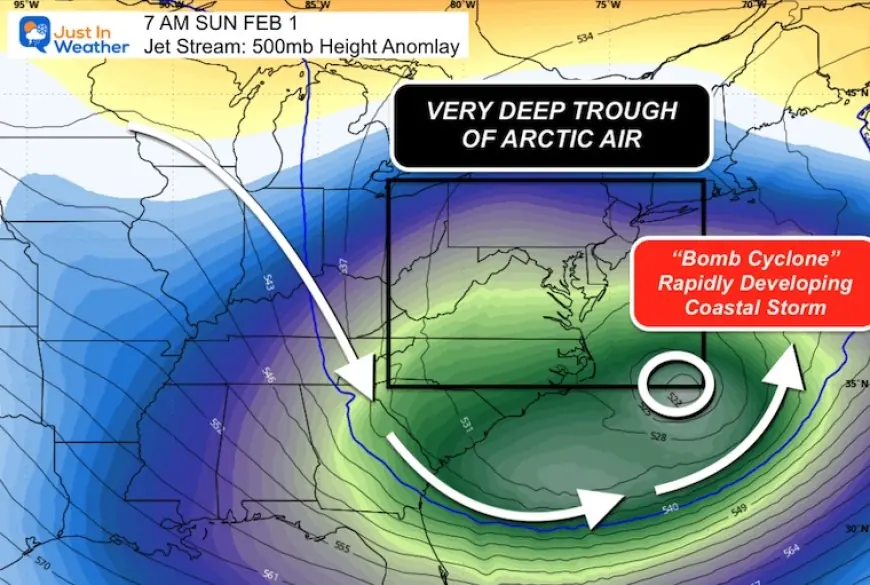
A bomb cyclone is not a different “type” of storm as much as it is a measure of how fast a storm intensifies. The term is shorthand for rapid strengthening of a large, mid-latitude system, and it often shows up in the same winter patterns that can produce a nor’easter along the East Coast. With bomb cyclone 2026 searches rising, many people are also looking for a practical winter storm weather forecast, including whether there’s a realistic shot at snow next weekend and how the Gulf Coast of the United States can influence what happens farther north.
Further specifics were not immediately available about any single storm track or exact snowfall outcomes tied to a particular weekend. Some specifics have not been publicly clarified about where the sharpest precipitation bands would set up far in advance.
What is a bomb cyclone, and why the phrase sounds scarier than it is
“What is a bomb cyclone” usually comes down to one idea: bombogenesis, a rapid drop in a storm’s central pressure over a short time. Meteorologists use pressure as a proxy for how organized and powerful a storm is becoming. When that pressure falls quickly, winds typically increase, and the storm can expand its footprint.
It’s important to separate the label from the hazards. A storm can qualify as a bomb cyclone and still deliver mostly rain in one region, heavy snow in another, and damaging coastal winds in yet another. The name is about the storm’s rate of intensification, not a promise of blizzard conditions everywhere.
Nor’easter vs. nor’easter: how these storms develop along the coast
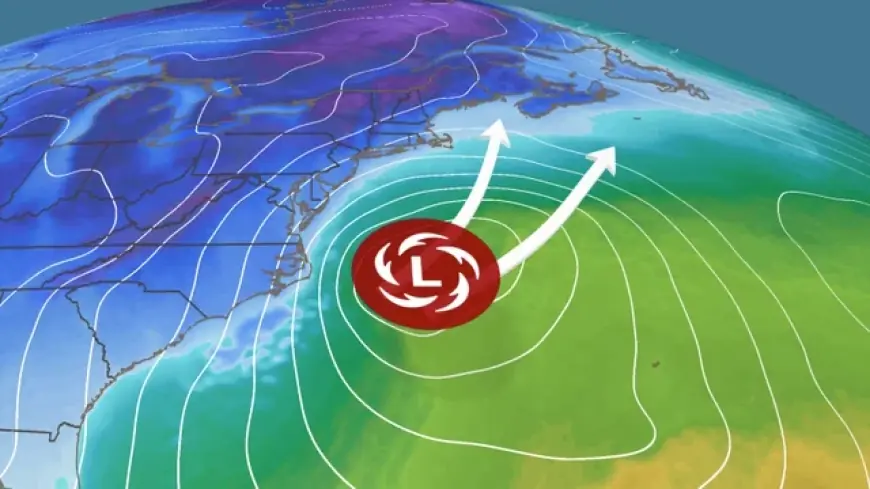
A nor’easter (often written nor’easter) is a coastal storm that commonly forms or strengthens near the Eastern Seaboard, drawing in ocean moisture and producing strong onshore winds that can blow from the northeast in many locations. Nor’easters are frequently tied to sharp temperature contrasts—cold air over land, relatively warmer ocean air offshore—and a favorable jet stream pattern that helps the storm deepen and organize.
Not every nor’easter is a bomb cyclone, and not every bomb cyclone is a classic nor’easter. But the overlap is common because the same ingredients that create a strong coastal low can also drive rapid intensification.
How a bomb cyclone can connect to the Gulf Coast of the United States
The Gulf Coast of the United States can play a major supporting role in winter storms even when snow is not falling there. Warm Gulf waters add moisture and energy to the atmosphere, and that moisture can be pulled northeastward ahead of a developing storm system. If cold air is in place farther inland or to the north, that Gulf moisture can become the “fuel” for heavy precipitation—sometimes rain, sometimes sleet or freezing rain, and sometimes snow where temperatures support it.
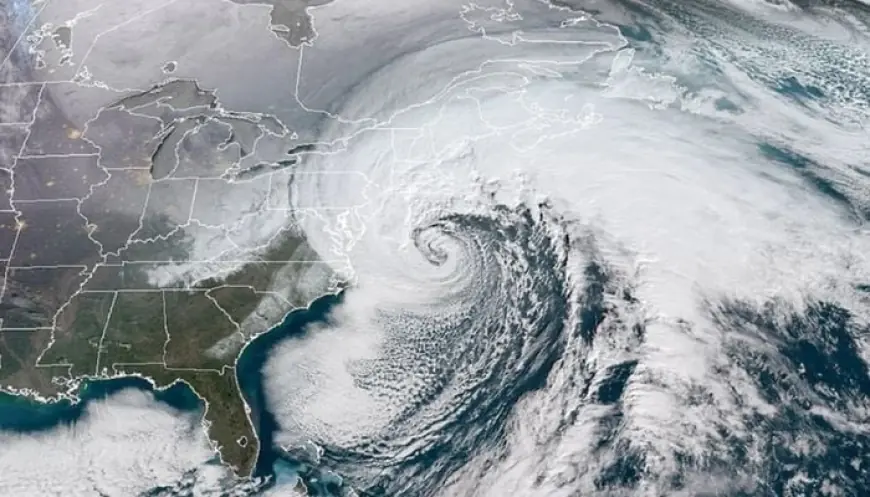
This is one reason winter maps can look chaotic: the same storm can bring thunderstorms or heavy rain along parts of the Gulf and Southeast, while producing snow and ice farther north and west of the storm’s track.
How winter storm forecasting works, and why “snow next weekend” is a tougher call
A winter storm weather forecast improves dramatically as you get closer to the event. Meteorologists rely on multiple weather models, repeated updates, and ensembles (many model simulations) to judge how consistent the signal is. The farther out you look, the more the forecast can change because small shifts in the jet stream or storm track can mean a big difference in precipitation type and totals.
Snow forecasts are especially sensitive to:
-
The exact storm track (even 50–100 miles can matter)
-
The boundary between cold and mild air near the surface
-
The timing of the heaviest precipitation relative to the coldest air
-
The placement of narrow, intense snow bands
This is why early “snow next weekend” chatter often ends up being revised. The most reliable snow and ice details usually come into focus in the last few days before an event, not a full week ahead.
The mechanism behind rapid intensification, in plain terms
Bomb cyclone strengthening typically happens when a storm taps into strong upper-level winds and sharp temperature differences, and sometimes when it can draw extra energy from warm ocean water. Colder air wrapping into warmer, moist air can tighten the storm’s circulation, while the jet stream overhead helps “vent” the system and allows pressure to fall. As the storm organizes, winds increase and precipitation can intensify, often creating a wide region of rough travel conditions—even if the worst impacts concentrate in specific corridors.
Who is most affected, and what to do now without overreacting
Two groups feel these storms quickly: travelers and commuters (because rapid changes in wind, visibility, and road conditions can disrupt plans), and coastal communities and marine operators (because strong winds can drive rough seas and coastal flooding). A third group often hit hardest are utilities and public works crews, especially when heavy wet snow or ice loads combine with gusty winds.
If you’re planning for potential winter impacts, the most practical steps are boring but effective: keep devices charged, confirm how you’ll get weather alerts, and build flexibility into weekend travel. If you’re in a coastal zone, take wind and water threats as seriously as snow totals.
The next verifiable milestone is the issuance of winter storm watches and warnings as the forecast window tightens, typically within roughly two to three days of the highest-impact period, when track and temperature confidence improves enough for concrete hazard timing.