
























40 Years Post-Challenger: Guilt Lingers, Lessons Endure

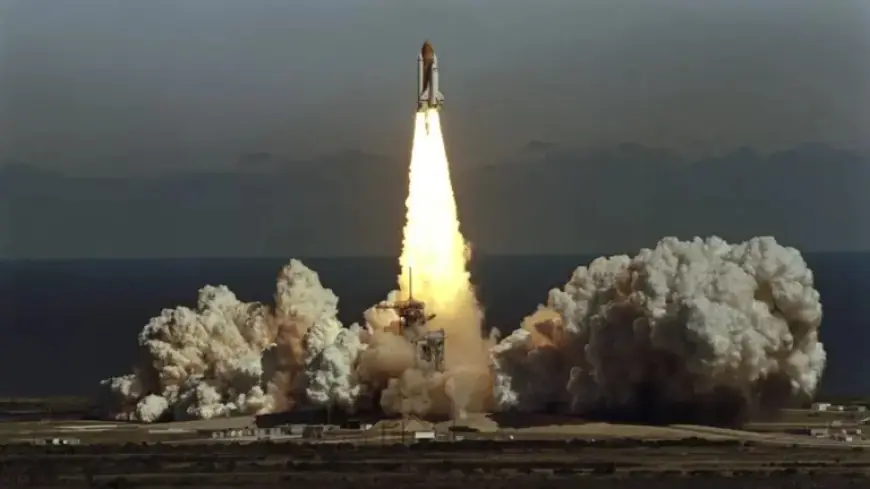
January 28, 2026, marks 40 years since the tragic Challenger disaster, a pivotal event in American space exploration. The space shuttle Challenger, carrying a crew of seven, exploded shortly after liftoff from Kennedy Space Center in Florida. Detailed investigations revealed critical lessons that continue to resonate within the space program today.
Chronology of the Challenger Launch
On the morning of January 28, 1986, an anxious Bob Ebeling, a Morton Thiokol engineer, voiced his concerns about the launch conditions. He understood that ice had formed overnight, raising alarms about the safety of the shuttle’s booster rockets. Ebeling warned his daughter that a catastrophic event was imminent. “The Challenger’s going to blow up. Everyone’s going to die,” he exclaimed, underscoring his distress.
Engineering Concerns and Recommendations
In the days leading up to the launch, Ebeling and fellow engineers at Morton Thiokol attempted to persuade NASA to postpone the launch due to freezing temperatures. Their data indicated that the O-rings, designed to seal the segments of the booster rocket, could fail in cold weather. Initial recommendations urged NASA not to proceed with the launch, but external pressures soon altered their position.
Crew Profile and Mission
The Challenger mission featured a diverse crew, with notable members including Commander Dick Scobee, Pilot Michael Smith, and Christa McAuliffe, a high school teacher selected to teach in space. This mission aimed to engage students and elevate interest in space exploration, especially among younger audiences.
Launch Day Events
Despite the engineers’ concerns, senior Thiokol executives ultimately reversed their recommendation under pressure from NASA officials. The decision to launch proceeded despite the coldest launch conditions on record, with temperatures reported between 18 and 36 degrees Fahrenheit at Kennedy Space Center.
After liftoff, the shuttle cleared the launch pad successfully, but within seconds, disaster struck. An explosion erupted, resulting in the loss of all seven crew members. The immediate aftermath was filled with shock and grief, marking a somber moment for the space program.
Lessons Learned
The Challenger catastrophe highlighted crucial shortcomings in communication and decision-making processes at NASA. A subsequent presidential commission investigated the factors leading to the disaster and identified a gap in the sharing of critical safety information.
Importance of Ethical Decision-Making
The ethical dilemmas faced by the engineers and the pressure imposed by management became focal points for discussion. The concept of “normalization of deviance” emerged, explaining how known risks can be overlooked. The failure to act on engineers’ warnings ultimately led to devastating consequences.
Enduring Guilt and Reflection
Forty years on, many of those involved, including Ebeling and Roger Boisjoly, have expressed lingering guilt over the decision to launch. Boisjoly famously remarked, “I fought like hell to stop that launch.” Yearning for change, many engineers have since advocated for improved practices in addressing dissenting opinions within high-stakes environments.
Continued Vigilance in Space Exploration
In the wake of the Challenger tragedy, NASA overhauled its communication protocols and emphasized the importance of listening to dissenting opinions. Current NASA personnel are actively reminded of the vital lessons from Challenger, as the agency continues to push the boundaries of spaceflight.
The legacy of the Challenger disaster serves as a reminder that safety must always be the paramount concern in aerospace endeavors. Moving forward, honoring the memories of those lost depends on the lessons learned from past mistakes.