

























Judge Permits Vineyard Wind Construction to Resume

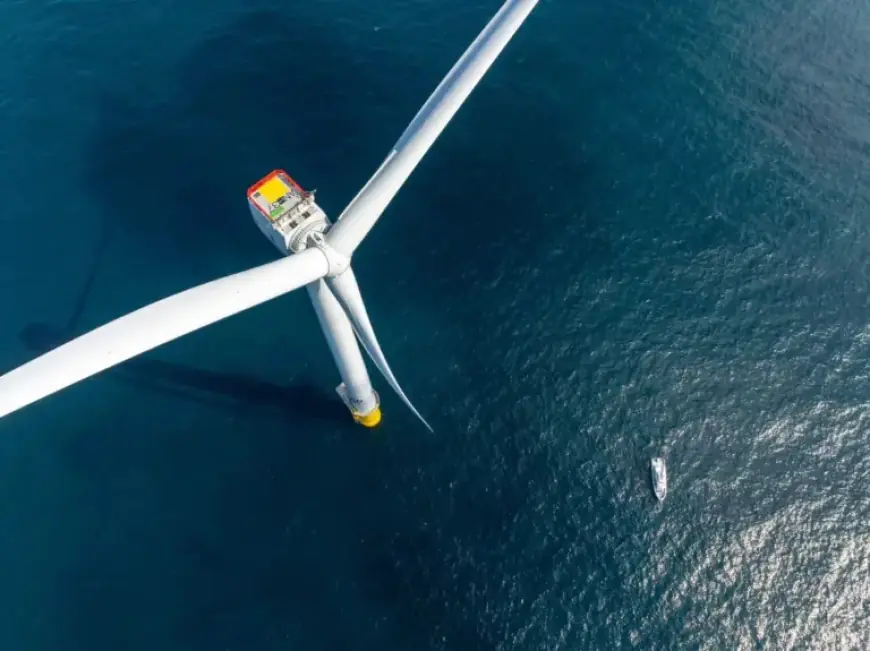
A federal decision has cleared the way for Vineyard Wind construction to resume, marking a significant victory for the $4.5 billion offshore wind project. Located near Massachusetts, this pivotal project was nearly finished when work was suspended in December due to security concerns raised by the previous administration.
Judge’s Ruling on Vineyard Wind Construction
On Tuesday, U.S. District Court Judge Brian E. Murphy granted Vineyard Wind permission to resume construction. The judge determined that the government had failed to justify its stop-work order, deeming it “likely arbitrary and capricious.”
Judge Murphy expressed that the administration’s claims about potential national security risks were not sufficiently explained and did not pertain to the actual construction phase. Importantly, Vineyard Wind had continued to operate 44 of its turbines while construction was paused, raising questions about the rationale behind halting further development.
Impact on Project Timeline
Vineyard Wind is approximately 95% complete. Once fully operational, the project will consist of 62 turbines capable of generating up to 800 megawatts of renewable energy, enough to power around 400,000 homes in the region. The urgency surrounding the project stems from its need for a specialized installation vessel. The current contract for this vessel is set to expire at the end of March.
- Project Cost: $4.5 billion
- Completion Status: 95% done
- Number of Turbines: 62
- Power Generation Capacity: 800 megawatts
- Estimated Homes Powered: 400,000
The company highlighted financial dependencies on completing construction by March 31. Delays could lead to potential harm to its financial arrangements and power contracts with Massachusetts utilities that also stipulate a deadline for operational readiness.
Response from Environmental Groups and Officials
Environmental advocate Francis Pullaro emphasized the project’s benefits, stating that completion would ensure reliable power and job restoration. Massachusetts Governor Maura Healey echoed this sentiment, highlighting the importance of the Vineyard Wind project for state energy supply and employment opportunities.
The judge’s decision follows similar rulings supporting other offshore wind projects in the region. Projects like Revolution Wind, Empire Wind, and Coastal Virginia Wind have also been allowed to proceed despite previous halts due to the administration’s directives.
As the legal process unfolds, Vineyard Wind is poised to collaborate with the federal government to navigate any concerns raised by the Bureau of Ocean Energy Management, the agency that originally issued the construction pause. However, the agency has not yet commented on the recent ruling.
Outlook on Offshore Wind Energy
This ruling underscores a pivotal moment for offshore wind energy in the United States. Despite previous challenges from the past administration, the continued progress of Vineyard Wind and similar projects signifies a growing acceptance of renewable energy initiatives.
The situation remains fluid, with upcoming legal arguments from other projects affected by the December stop-work order scheduled in early February. As the offshore wind industry continues to evolve, the implications of these ongoing legal battles will be closely monitored.